

Communication, ADHD & Building Better Work Relationships with Dave Delaney
Episode Summary
In this episode of The Spark, Mark Scrivner sits down with communication expert, keynote speaker, and ADHD advocate Dave Delaney to unpack what great communication actually looks like inside growing organizations. From the early startup days at Emma and Griffin Technology to coaching leaders at some of the world’s biggest companies, Dave shares hard-earned lessons about culture, collaboration, and building teams that truly connect.
The conversation also dives deep into Dave’s personal ADHD diagnosis later in life and how it reshaped the way he approaches work, leadership, productivity, and self-awareness. Together, Mark and Dave explore communication breakdowns, workplace culture, employee retention, dopamine-driven behavior, and why understanding your own operating system may be the key to unlocking your strengths.
Episode Highlights
00:01 — Dave shares how networking in Nashville led him to Emma and the early startup scene
00:06 — Discovering communication as the foundation of his career and coaching work
00:12 — A workshop exercise that transformed collaboration and boosted sales inside a tech company
00:18 — How poor communication creates “turnover contagion” inside organizations
00:23 — Why “stay interviews” can dramatically improve employee retention and culture
00:37 — Dave explains how being diagnosed with ADHD at 50 changed his perspective on work and life
00:44 — Why Dave believes ADHD is not a superpower without support, access, and privilege
Learn More & Connect
Show Notes + Resources: https://creativeassembly.agency/ca-podcast/
Connect With Dave Delaney: https://www.linkedin.com/in/davedelaney | https://davedelaney.me
Listen to Dave’s podcast, ADHD Wise Squirrels: https://wisesquirrels.com/
Connect with Mark Scrivner: https://www.linkedin.com/in/markscrivner | https://snapshot.agency/health
Our Sponsor – Snapshot: https://snapshot.agency/health
Behavioral Health Marketing Built for Growth and Impact Snapshot Health is a strategic growth and marketing partner for behavioral health organizations nationwide. We help treatment centers, mental health providers, and recovery programs grow responsibly by aligning brand, digital strategy, and patient acquisition with clinical integrity and long-term outcomes. Our team specializes in performance-driven marketing for behavioral health, including SEO, paid media, branding, marketing strategy, website development, and admissions enablement. We focus on attracting the right patients, improving conversion, and building scalable systems that support sustainable growth. Snapshot Health brings deep expertise in compliance, ethics, and trust-based marketing. We partner closely with executive teams to drive predictable admissions growth while protecting reputation, mission, and quality of care.
Transcript
00:00:00:22 – 00:00:20:28
Unknown
Is not a superpower at all. It’s a pain. Like, I mean, there are things there are challenges associated, especially when you work in a neurotypical world. The world’s not made for divergent people, so you’ve got to kind of fit in and try to. And that can be exhausting. And things those who claim ADHD as a superpower have privilege, a lot of privilege.
00:00:21:00 – 00:00:45:09
Unknown
And what I mean by that, and I always hate to pick on on a Paris Hilton, but I’ll pick on Paris Hilton. She’ll get over it. On Creative Assembly’s The Spark podcast. Our mission is to amplify Nashville’s diverse creative voices, foster growth through shared journeys, and inspire a city that thrives on collaboration. And now, here’s the spark. Welcome back to The spark.
00:00:45:10 – 00:01:29:24
Unknown
I’m your host, Marc Scrivener. And today I am joined by a great friend, Dave Delaney. Dave is the founder of Future Forth. They do a lot of coaching and training and keynote speeches all around communication. He also runs a podcast. He hosts podcast called Wise Squirrels, and it’s all around ADHD education. And so maybe just, you know, I’ve known you for so long and I think back and when you moved here from Canada, but you know, and then you started at Emma and you know, you’ve, you’ve coached and consulted some of the biggest companies in the world to on communication strategies and presentations.
00:01:29:24 – 00:01:53:08
Unknown
And, you know, we’d love to just maybe have you tell your story of maybe from the time you got to Nashville to what you’re doing today. I knew I had to, like, network pretty aggressively to try to find a job. And so I started, you know, I worked in marketing back then. I consider myself sort of a recovering marketer now, even though, you know, I still do a lot of it.
00:01:53:10 – 00:02:06:02
Unknown
But yeah, so I was searching and I went to one of the AMA, the Marketing Association group events and things like that. Met some of the guys from Emma there and then.
00:02:06:04 – 00:02:26:21
Unknown
Yeah, started networking, meaning other people. Hannah Paramour back in the day, she introduced me to Clint Smith, and then I went over on a Friday afternoon with, like, she had kept my resume and printed a new copy for me, and she printed an article of about Emma, and she handed these these to me. This was a Friday at beer 30 back in the day.
00:02:26:23 – 00:02:46:11
Unknown
And Emma and I’m I’m driving my car over to Emma to meet Clint Smith. And this is when they were in a little house in Hillsboro Village. And so I’m reading the article at the stoplights, kind of like, what the hell is Emma? You know, trying to figure it out. And then met Clint and we headed off. And then Clint.
00:02:46:14 – 00:03:13:03
Unknown
I wasn’t going for a job interview or anything. We were just kind of meeting. Meeting. And I met some of the people there. And then Clint set me up on a blind date with Marcus Whitney over at Fido a couple days later, and Marcus and I became fast friends just in that moment. And it was funny because Marcus had this idea of creating a bar camp, which is a technology unconference for the community kind of idea.
00:03:13:03 – 00:03:32:26
Unknown
And so he I wasn’t familiar with the concept, and he started sharing it with me, and we just instantly hit it off and we’re like, well. And he was like, I really want to do this sometime. And I’m like, well, let’s do it. And he was like, what? And so I’m all in on stuff. So, you know, go, go figure and get to the ADHD in a bit.
00:03:32:26 – 00:03:55:18
Unknown
But I became right in on this idea. And so Marcus and I set up, you know, and started doing did Bar camp Nashville. And what was funny in that moment too is as we were leaving after the coffee, because we talked pretty much all about our origins, where we came from and this idea. And then Marcus says, as we’re leaving, Marcus said, oh yeah, Clint wants to hire you, so take that job, okay?
00:03:55:20 – 00:04:20:00
Unknown
And I’m like, oh yeah, okay. And and then I, you know, Griffin Technology was a sponsor of bar camp. And so I knew the guys there early on. And then after I left Emma, I was going to start my own thing. And then a Dave Owens and Marc Rowan took me out for lunch and said, hey, we make an offer you can’t refuse.
00:04:20:01 – 00:04:40:29
Unknown
Come join us at Griffin. And so I wrote my I had to write my own job description and apply to my own job. Right. Which was great because, you know, had I screwed it up, that would have been pathetic had I not gotten the job. And then. Yeah. And then you taken it way back, though, with the days of being in the house over in Hillsboro Village.
00:04:41:04 – 00:05:02:28
Unknown
How many employees were there at that? There was around 30. Wow. Yeah, it was around that 30 in the. Yeah, it was a crowded house. Yeah. So yeah, they were already starting to bursting at the seams at that point. There was some Clinton will had rented an apartment building or like an apartment or two, I think, just behind them at some point while I was there.
00:05:02:28 – 00:05:21:21
Unknown
And then some people started working there, and then they expanded to the grew in building and then over to the trolley barns. So that was after my time you were in the early days, you got to see a blow up all the way to the cell. And so Clint’s done very well, and you got to be a big part of that.
00:05:21:21 – 00:05:43:17
Unknown
And then you moved on to Griffin Technologies, which, you know, I knew you played a big part there in the marketing role. Yeah. Yeah. That was back. I mean, when I started at Emma, it was called New Media. So it was before social media was called social media, it was called New Media. And then when I worked at Griffin, it was called social networking before it got the name New Media.
00:05:43:18 – 00:06:20:11
Unknown
Yeah. To back then it was, it was podcasting and and blogging and, and you know, all these other things that now I mean the names are similar now I guess. But yeah. So social networking became social media and then they all became evil. So when, when Heffley when, when did you start to realize, like, communications was like the track you were going to go on with, with future forth and all you’re doing now and maybe talk about some of the stuff you can on some of the bigger clients you’ve worked with, because I think it’s very impressive.
00:06:20:12 – 00:06:35:18
Unknown
Yeah. Thanks, man. Yeah, I think I did a lot of soul searching when I hit lows. You know, when I went out on my own as sort of a social media coach slash consultant.
00:06:35:20 – 00:07:03:09
Unknown
You know, it was before. When you say you’re a social media expert, that means you’re between jobs back then. You know what I mean? And and so but so I went out on my own and I had clients right away. I had a full roster of clients right away. So things took off really well. But then, you know, like every entrepreneur, you hit these lows where business is suddenly slow or you get complacent when things are going well and you’re like, oh, you know, do do.
00:07:03:10 – 00:07:26:26
Unknown
And then suddenly it’s like, oh, crap, things are pretty quiet. And so I felt I felt that and I was doing a lot of soul searching. And I’ve already done a lot of that throughout my whole career and my whole really adult life of trying to figure out my strengths and trying to figure out. And that’s all the assessments and all that good stuff and reflecting on everything I landed on communication.
00:07:26:26 – 00:07:51:01
Unknown
And the reason why I did was I ran a BS back on back in the 80s on my Commodore 64, which is dating myself just a little bit. And for anyone who is familiar with that reference, just dated you two. But I say that because my friends would come over this when I was a teenager and they’d want to play video games on my Commodore 64, and I didn’t want to play video games.
00:07:51:01 – 00:08:15:16
Unknown
I wanted to show them the BS and how modems work and calling other computers. It was just the coolest thing to me. And as I got older and matured and started studying like broadcasting and things, I just realized that everything I’m good at revolves around the word communication. It’s, you know, so even for a long time, people said I was like a technologist or something.
00:08:15:18 – 00:08:36:04
Unknown
And while I know a lot about AI and and all that good stuff or not so good stuff, I know it all comes down to communication for me. So these are all ways to improve how we communicate, whether that’s online or offline. And so yeah, there’s a lot of soul searching connecting the dots. And then finally I was like, oh wait, yeah it’s communication.
00:08:36:04 – 00:09:04:12
Unknown
That’s the sweet spot. And you were doing you were doing keynotes, presentations, coaching executives. And I think one of your clients isn’t it wasn’t it Google back then or weren’t you doing some work with Google and who else like. Yeah, well, the Google thing came. That was interesting because I was doing a lot of public speaking, and that’s one thing I absolutely love to do and do quite a lot, but I’m always open for more engagements.
00:09:04:14 – 00:09:23:04
Unknown
I love it, and I was doing a lot of speaking and still, you know, I always will be very plugged into technology. And so a friend reached out who was running a program with Google and, and she was like, hey, are you still doing this? Like speaking? Are you still into SEO sem blah blah blah, content marketing and all that?
00:09:23:04 – 00:09:45:26
Unknown
And I said, yeah. And she’s like, do you want to be a speaker on the team with Google? And I’m like, heck yeah. So for about six years I represented Google on a small team, and I would travel across the country in Canada a little as well, being the token Canadian on the team, and teach people how to use Google products and services on Google’s behalf and speak with the media and things like that.
00:09:45:26 – 00:09:58:22
Unknown
And that was fantastic. While I was also coaching and speaking for clients as well for other clients. So and then after that wrapped up.
00:09:58:25 – 00:10:23:12
Unknown
You know, things evolved in communications and really my sweet spots about human to human, whether it’s online or in person, but more and more it’s in person. And I did a workshop for Google in Toronto. They hired me to come and do a workshop for them, more about managing internal relationships and communications across departments. And so I did a couple of workshops or a full workshop for them there.
00:10:23:14 – 00:10:52:04
Unknown
But yeah, some of the other clients, I mean, you know, Fedex, UPS, I’ve spoken for LinkedIn before and yeah, and then lots and lots of great organizations and associations and industry events. I spoke for an event last night called disrupt HR, which was great. And last couple of weeks ago I did my first TEDx talk in Ted Franklin.
00:10:52:04 – 00:11:44:13
Unknown
So yeah, I’m yeah, I’m loving it. Well, as the, you know, as future Forth has evolved over the years, maybe in simple terms like, what are you what are you into today? Like what? What do you guys doing now? Yeah. Well, Future Forth is really the parent company that sort of manages me. Okay. And so for me personally though, I’m it’s primarily it’s keynote presentations, communication workshops and training and then coaching from my podcast especially, I’m getting a lot of interest in hiring me as a coach to help coach professionals who are either stuck in their careers, finding something new, or even just growing a business and need to kind of think through how to
00:11:44:13 – 00:12:14:01
Unknown
do that strategically through marketing communications and promotions and publicity and all that. Yeah, and so I’m getting more and more clients for coaching through Wise Squirrels, through the podcast, always using, you know, the disclaimer, I’m not a doctor, nor do I pretend I’m one on the internet. There’s plenty of that. But I’ve learned so much over the last few years about ADHD that my ADHD coach said.
00:12:14:03 – 00:12:34:18
Unknown
Dave, you know more than I do at this point. Like, wow, so well, I can’t wait to dig into that before we get there, though. Like we’re like, tell me or tell the audience. Like maybe one of the biggest breakthroughs you’ve seen in organizations that you’ve coached on communication from. Like, you know, how it’s really helped their organization out?
00:12:34:19 – 00:12:55:09
Unknown
Yeah, yeah. So one of my my signature keynotes, I guess is or I signature keynote is called the Master Communicator Secret Weapon. And I reveal a secret weapon that teams and individuals can use to improve how they communicate and not just how they communicate, but how they can lead, how they, you know, part of it is leading with acceptance and empathy.
00:12:55:11 – 00:13:27:21
Unknown
Part of it is using active listening. Part of it is thinking quickly on your feet and overcoming a fear of failure. So innovation and all that good stuff, it all fits in there. And so I worked with a small tech company who were growing pretty quickly staff wise, and they had kind of not quite. I mean, when you’re an entrepreneur and you’re growing a business, as you know, sometimes you’re trying to keep the clients happy and make sure, like new clients are coming in and you’re keeping up to date on stuff.
00:13:27:21 – 00:13:52:29
Unknown
And sometimes the, the staff like you, suddenly you don’t remember who’s who. It’s like that kitchen scene at the beginning of Caddyshack when the dad says, who are you to one of the kids in The crowded House? Again, a dated reference. I get into newer stuff, I promise. But yeah, so this company was growing so quickly and they didn’t really know each other anymore or at all.
00:13:52:29 – 00:14:22:25
Unknown
And so I came up with this concept for them of a two day workshop, and I, I, I used like different color name badges representing what department they were in because part of the challenge or the goal for me based on the needs of the client was not just like everybody. You usually know your colleagues in marketing or in sales or whichever department, but you don’t know somebody in it, or in customer service or the C-suite or whatever.
00:14:22:25 – 00:14:50:29
Unknown
And so my goal was to kind of mix people up in different departments, and that was the only way I could do that visually, by knowing what department they were from, from the color of their name badges. And we did all these activities and worked together. And what happened from that generalizing here. But developers tend to be more introverted headphones, you know, hammering keyboards and, and like salespeople tend to be more extroverted.
00:14:51:00 – 00:15:14:18
Unknown
And again, I mean, it’s you know, it’s not always the case, of course. And what happened from this was there was an assumption that the developers were very shy and introverted. But as I was going through some of the exercises, the CTO realized this one developer was like super funny and outgoing and spontaneous and just really quick witted and things.
00:15:14:18 – 00:15:52:13
Unknown
And he realized that he didn’t know enough or might have been the CIO. Now that I think of it, he didn’t really know enough about how the sausage got made. He just knew, you know, how to sell the sausage and basically explain how to prepare the sausage, so to speak. Man should shouldn’t have skipped lunch. And and so the he realized that like he could bring this younger developer with him on sales calls to like high stakes salespeople when he was kind of out of his, out of his area of expertise in the developer could then help to articulate, you know.
00:15:52:14 – 00:16:15:16
Unknown
No, no. The sausage is made with this and this. This is why I won’t burn and so forth. And so sales like increased astronomically as a result of that. Moment. So a big thing I try to do is improve retention and not just retention, but also culture to attract new talent. And so that’s just part of what I do with the workshops and training that I do with teams.
00:16:15:16 – 00:16:38:26
Unknown
But it’s definitely a big part of it. And that that’s an interesting exercise to, I’m sure, the collaboration, you know, you start to break down silos when you start to run exercises like that. So yeah, and it’s not like cheesy stuff like I’ve been to enough of those over the years. Like that’s the thing. Like I approach things with empathy and not as like a, you know, a cliche.
00:16:38:27 – 00:17:05:23
Unknown
I like. I, I really do not want to make people feel uncomfortable. And so I’m very careful with how I create these different trainings and workshops and so forth, so that they actually do feel comfortable, but then they come away learning new skills that they can apply at work and beyond. What I mean, that’s interesting. And you’ve taken it back a couple of times to show your, you know, your age.
00:17:05:23 – 00:17:26:08
Unknown
And I guess I was going to make a joke of how many times have you heard the Bob and Doug McKenzie? Oh, yeah. Hey. Oh, yeah. Canadian. So yeah. And actually there, I believe I’ve heard they’re doing a reboot. Really? Yeah. So I mean, I know my favorite. Well, I haven’t seen Dave Thomas in a long time. I don’t know.
00:17:26:09 – 00:17:46:06
Unknown
He’s been in stuff here and there and then Rick Moranis such a good guy. Rick. I mean, both are great people, but Rick Moranis, you know, from Ghostbusters and, you know, honey, I Shrunk the Kids. He was at the peak of like, his career was really kicking off, but his kids were young and he wanted to raise that.
00:17:46:08 – 00:18:03:05
Unknown
And so he quit acting for a time so that he could be. I think he’s in Toronto to be home in Toronto with his kids and his wife to, like, raise the family. Kind of gave up on acting for a while, but he’s been popped out here back. Yeah, I’ve heard rumors of the reboot, so you never know.
00:18:03:05 – 00:18:28:11
Unknown
For those who are not familiar, maybe they’ll. I mean, Canada is on the rise right now. It is a great place. Well, what? You know, Dave, I’m sure you have just seen colossal communication failures in companies and toxic culture and, you know, toxic communications and whatnot. Like what? What usually has to go wrong before people reach out to you.
00:18:28:12 – 00:18:32:06
Unknown
That’s a good question.
00:18:32:08 – 00:19:03:01
Unknown
A mass exodus can happen. And Adam Grant calls it turnover contagion, which I really like. And what happens is, you know, for whatever reason, maybe communications faltering. And that’s usually a part of it, at least internal communication. And maybe a popular person with the company or an employee or somebody who’s been there a long time gets fed up and decides to quit.
00:19:03:06 – 00:19:34:23
Unknown
And when they quit, if it’s not communicated clearly to the rest of the team, like the kind of understanding of what went on and why that person left and so on, other people might start quitting, or they do in some cases. And so it’s this turnover contagion phenomenon where, yeah, suddenly you’re losing more people. And Sherm did a study, the society for Human Resources Management, a cost between 6 to 9 months, a salary of a person to replace them.
00:19:34:23 – 00:19:57:18
Unknown
That’s retraining, rehiring, recruiting and all that stuff. So like a on the like a $60,000 MLA would cost somewhere between 30 to 45,000 to replace. And you know, you can just do the math and figure out like that really adds up quickly. Plus, it hurts the culture because suddenly people are leaving and then you have newer people who don’t know each other.
00:19:57:18 – 00:20:20:23
Unknown
So that’s a that is something that can happen with like a toxic person or, or just poor communication internally and that can start to snowball. So I’ve seen that happen a bunch. Yeah. And so, you know, I’ve tried getting into companies to help them prevent that, you know, before it actually becomes a problem. And in some cases I have and other cases they bring me in after the fact.
00:20:20:24 – 00:20:39:09
Unknown
So, you know, that’s part of it. In the early days of of snapshot, as we were building it up, there were probably ten, maybe 12 people in little office over in coming station. And, you know, I remember like, you know, it wasn’t like it was terrible culture, but it was just, you know, we were grinding it out.
00:20:39:10 – 00:21:00:23
Unknown
It’s the early days and. Yeah, yeah, we’re, you know, and actually, Clint was on our advisory board back in the early days and Brian Waller and it was you know, I think it was Brian. He said, Mark, have you ever thought about like just buying snacks and putting them in the office and like it went from. And so we did.
00:21:00:24 – 00:21:26:11
Unknown
We went out and we got a bunch of different snacks, granola bars and all that stuff. We put them in the kitchen. It was a little expense and instantly like the the next day, it was like we were a totally different company and it was just that one thing. And I was wondering, like, is there is there a trick that you would give to one of the listeners that may be going through a challenge with, like, their culture?
00:21:26:17 – 00:21:51:12
Unknown
Is there something from a communication standpoint that you go, man, it’s just this one simple thing, or does it take a long time to know? I think there’s proactive things you can do right away. That’s a great example of that, where, you know, and I remember working at Emma, so there’s a coffee shop down from Emma called Fido, which we know and love, and Bob Bernstein’s awesome.
00:21:51:12 – 00:22:13:05
Unknown
And at some point they decided I forget how it came up, but they decided maybe some people were leaving. I don’t remember, but they each department, which is pretty much each room in the house, got its own Fido card and we could go and buy stuff on the card. So like cappuccino or cafe, you know, latte or whatever.
00:22:13:08 – 00:22:33:09
Unknown
But I mean, people started abusing it. They started going like, I was like, people are using these too much like, like. And I think at one point I think I recall and I could be wrong on this, but I seem to recall that it was like Clint was spending like 5000 a month just at Fido on these cards, and I was like, wow.
00:22:33:10 – 00:22:51:09
Unknown
So so you just got the card to go down there and, well, yeah, but that was when there was like 30 of us, right? So when we moved, it was funny too, because when we moved to the Gruen Building, which is on eighth across from Zane’s, that’s, you know, that was where I had left. We were growing so quickly there.
00:22:51:11 – 00:23:12:17
Unknown
But it was like, you like he bought all sorts of snacks and things like that in the kitchen. And I remember overhearing like two really young people that were pretty new. They were complaining that like the, you know, the one type of energy bar, that they were all expensive. There wasn’t just some cheap box of something from Kroger or whatever.
00:23:12:19 – 00:23:31:18
Unknown
They were complaining that this one wasn’t available, like, oh, they were all out of that one or this one. And I’m like, you guys have no idea, like what it’s like to work in cubicle hell because I’ve worked in cubicle hell where there’s nothing. So I do love the fact that you made that move and you did that and you saw the results.
00:23:31:21 – 00:23:56:18
Unknown
One thing that I recommend is something called stay interviews. A lot of times when you when you lose talent, if it’s, you know, under good terms, of course you might have a the HR director, you know might do a departure exit interview. Scuse me to find out, you know, just to interview them and that’s great. It’s a good thing to do.
00:23:56:19 – 00:24:17:01
Unknown
And then of course, you do the interview. Interview because you know you’re not going to hire somebody without doing that, I would hope. But a stay interview is done to, you know, you start with your most popular, not popular, but you’re, you know, your highest achieving staff, right? The people you most want to stay or maybe the longest people, the people that have been with you longest.
00:24:17:03 – 00:24:35:10
Unknown
And you do a stay interview where you ask them, you know, you have to set it up in a way that’s very calm and cool, because if you say, hey, you know, Jim, I’d love to talk to you, you know, after work or come into my office or whatever. They’ll be like, oh, crap. So you have to set it up correctly.
00:24:35:10 – 00:25:15:25
Unknown
But having a stay interviews, just a matter of asking a few questions about like, what’s working? What’s not working? How can things be improved? And doing that from time to time is you can put out a fire before it becomes a fire, right? Which I admit makes no sense. A spark put out a spark. But yeah, like just making just doing that and having that conversation can be conversations can be incredibly helpful because then you, like I said, like as a company grows and I’m sure you’ve experienced it, you just there’s no way for you to know what’s going on all the time with everyone everywhere.
00:25:15:25 – 00:25:55:14
Unknown
And so this is a great way to just check in and see how things are going. And then if you start getting common replies from people, you’re like, oh crap. Yeah, yeah, we need to make some adjustments to to help fix whatever that problem is. Dave, I mean, that is a great exercise. I mean, I, I don’t know that a lot of people in, in, you know, the advertising industry, like, do those I know that we’ve done them from time to time and, you know, they are very effective if but I almost would also say, like, I, I would want everybody to know you got to be consistent with that stuff.
00:25:55:15 – 00:26:16:25
Unknown
Like if you know, what I found is if you just bring, you know, the stay interviews on people, it’s like there’s an agenda there versus we just do it, this part of our culture. And man, I just let’s go grab a cup of coffee, man. What’s working? What’s not working. Yeah, exactly. You know, versus I’m going to bring a clipboard and, you know, whatever.
00:26:16:25 – 00:26:37:25
Unknown
And you set it up and very casually. Yeah. It doesn’t have to be anything formal at all, right? It doesn’t have to be like this, you know, Monday to Friday this week we’re going to be doing state like it doesn’t have to be that. It could just, you know, just be individualized to each person, starting with the people that, you know, the top talent and then kind of working your way through.
00:26:37:25 – 00:26:55:11
Unknown
But yeah, I think it’s a it’s a great move to do. And then also, you know, it’s like the old line of like drowning with data. Right. It’s like having you have data, whether it’s through like analytics or whatever it is. You have data. Everybody has data. But like, what do you do with that data. Right. And it’s the same thing.
00:26:55:11 – 00:27:19:00
Unknown
You have data points now from the feedback you’re getting. You can’t just get the feedback and then forget to do anything with it. That makes things worse, because you’ve just had a great, candid conversation with someone and they’re saying this or that’s not working well, you know, thanks for asking. And then nothing happens then. So yeah, is worse than if you just let it alone.
00:27:19:01 – 00:27:42:12
Unknown
Yeah. Right, right. Yeah. Yeah. You know, but I, I agree that is we, you know, try to brush stuff under the rugs over the years and it’s never worked out. It’s actually backfired every time. So it’s a great, great call on that. Yeah. Thanks. Yeah. What do you like. What is a, like, common mistake that you see in communications?
00:27:42:12 – 00:28:18:03
Unknown
Just in organizations. Is there any one thing that, like, maybe even with smart, capable, high performing people and there’s a communication breakdown which happens? Yeah. I mean, there’s lots I think especially these days with so many different channels of communication, things can get lost very quickly or over overlooked or miss completely. So being really clear on on the on what the channels are and how how to, you know, what you should be discussing.
00:28:18:03 – 00:28:46:14
Unknown
So like back in the day, you know, it was like instant messenger just chit chatting with colleagues and then you’d have like, you know, email obviously. But nowadays you have so many different chats, you know, so many different applications. You’ve got slack, you know, meet teams and all these other platforms and, and beyond that, even just like the phone, if you have a phone call with somebody or email, of course.
00:28:46:16 – 00:29:06:13
Unknown
So when you open up too many channels of communication, then something’s going to get missed or something’s going to get lost or you’re going to forget. And personally, like, I’m very strict in how in the channels I use, I don’t use slack because I just I mean, I might I don’t really use it, but I’ve used it a couple of times over the years.
00:29:06:13 – 00:29:35:27
Unknown
But I just want like for me personally, like email, having conversations sometimes, depending if you’re working together in the same space. I know nowadays with hybrid and remote work, that can be challenging sometimes, but if you’re all in the same space, I have a general rule that like if you have to exchange more than two emails about a topic, just get up and walk over to their desk and just say like, yeah, you know, God forbid you have to go talk to another human in person.
00:29:35:29 – 00:30:02:19
Unknown
You know, we could all do better. I’m so glad you these days. Yeah, that is, I mean, what’s interesting about this is, do you see, like, a generational thing with different communication styles that you train on based on how, you know, my tell you quick story. So my daughter, she is going to UT Knoxville, and the way they find their roommates is through Instagram.
00:30:02:19 – 00:30:30:13
Unknown
And so we go and she meets her roommate, very nice young lady. And so but we go and meet her for the very first time in her parents, which her parents live in Knoxville, too. So it’s like double home run. Yeah. But, you know, they find each other on Instagram. And she vetted a few people through Instagram, you know, and and so when we sit down for lunch, I they hadn’t arrived yet.
00:30:30:13 – 00:30:55:06
Unknown
And I said, have you ever talked to this girl before? And she said, yeah, I’ve talked to her bunch. Like we talk all the time. And I go on the phone and she said no, no through like Instagram and Snap and yeah. And so anyway, when, when they showed up, her dad was like, you know, I asked her on the way over here, have you ever talked to this girl?
00:30:55:09 – 00:31:24:23
Unknown
Yeah. Same story. And so that’s how I guess the communication style is today, where I can’t even imagine that. But what do you see? Yeah. No, that’s. Yeah, it’s very close to home. I have a 19 year old and a 20 year old. So yes, I’m very familiar with that. And even in texting is interesting. My daughter reprimanded me because I used a period in a text message and I was like, wait, what?
00:31:24:23 – 00:31:49:20
Unknown
And she not just her, but like, they often will take a period as an exclamation mark. So like it’s this idea. Yeah. Too aggressive with a period, like, you know, I’ll see you at 6:00. Yeah. Period. I will see you at 6:00. Not yelling with an exclamation mark, but just be there at 6:00. And it’s like, no, no, no.
00:31:49:21 – 00:32:17:15
Unknown
I was just like seeing it six. I didn’t know, I didn’t mean anything. So. Yeah. So communication changes over time. You know, I remember when I worked at Griffin, I wrote an article. I used to have a column in The Tennessean in the business section there, and I wrote an article about this called Bob’s Your Uncle, where I wrote there was some confusion at Griffin about whatever it was, some project I can’t remember.
00:32:17:21 – 00:32:42:02
Unknown
And so I was kind of responsible for it. So I wrote this email and kind of explaining everything beat for beat, like super clear and proofread it and proof read it and proofread it. And before I had AI to help me. And I went through it over and over and over again to make sure it was completely clear and concise and everybody could get it and read it and understand.
00:32:42:04 – 00:33:10:06
Unknown
And I felt really good about it. And we were primarily in an I mean, it was spread out, but we were in a pretty open concept, so I could see my colleagues, you know, their heads behind their monitors, and, and I sign the email and Bob’s your Uncle Dave and I, and I sent it and I was like, and then I started seeing, like, heads kind of pop up for monitors, like, people are like.
00:33:10:08 – 00:33:31:06
Unknown
And then somebody yelled over, like, who’s Bob? And of course, like, Bob’s your uncle is just like a term. It’s more a British term of like, you know. And so there it is. And so there you have it, and Bob’s your uncle. It’s like. And there you go. And so I signed it off with Bob’s your uncle and just completely screwed it all up, because now everybody was confused about this line, like, who’s Bob?
00:33:31:06 – 00:33:53:26
Unknown
And everybody was asking who Bob was. So I was like, oh my God. So yes, different strokes for different folks. I think you have to know your audience and you’re, you know, this is why when I’m delivering presentations and training like nothing is, you know, obviously I work with similar content, certainly like the master communicator secret weapon, that presentation.
00:33:53:26 – 00:34:26:27
Unknown
But I customize everything for the audience, for the industry, for the challenges they’re facing so that I can address those things within the content. It’s not just, you know, when one and done kind of thing. I’m very careful with making sure that I’m addressing the challenges in organization or an audience is facing. And so knowing your audience is so important, knowing, you know, knowing how different people communicate is, is essential, or at least making sure that everybody is clear on how you expect the team to communicate.
00:34:27:00 – 00:34:40:02
Unknown
So, I mean, if you’re managing people, I’m a I’m a solopreneur. So for the most part, I do have colleagues. My CFO is my wife.
00:34:40:04 – 00:35:00:23
Unknown
So but yeah, so making sure that you’re communicating clearly is a big part of that. So I’m glad you mentioned that. Pick up the phone because yeah, you know we’ve got a three email. And if there’s still confusion on the third email like pick up the phone because no email after that is going to solve it any better.
00:35:00:23 – 00:35:21:01
Unknown
In fact, it’s just going to infuriate people. And then the other thing we’ve done over the years is, you know, on the client onboarding, it’s like really determining how do they want to be communicated. Is it text, is it email? Is it you know, teams? What what is the channel that they’re, you know, the best with. Yeah.
00:35:21:01 – 00:35:45:14
Unknown
You’ve got to set those expectations up front and be clear on them from the client side. But then yeah, as you’re saying from you to so that you can make sure I mean when I do because I do so many workshops and presentations and coaching, like I set measurable goals ahead of time with my with my clients, I don’t want to take people’s money if they’re not going to see a return on their investment.
00:35:45:22 – 00:36:07:23
Unknown
I like I’m a people pleaser to a fault. I’m working on it, but I try to make sure that everybody’s happy after the fact. Like I want them to be obviously. And so, yeah, I set those goals up front. Excuse me. So like, with a yeah, with the coaching client, you know, the Smart goal, acronym, KPIs and all this thing.
00:36:07:26 – 00:36:40:15
Unknown
Like we’ll set goals so that they, they can be held accountable to what they’re supposed to be doing and that we can together see the progress that they’re making. But without those goals, we have no idea. Right. So, you know, then it’s just they’re paying me and they’re hoping for something. So, yeah. And to your point with, with clients like managing how how they best want you to communicate with them and vice versa is incredibly important because, again, otherwise they’re going to send a slack message to somebody.
00:36:40:15 – 00:37:08:18
Unknown
And you stopped using slack a long time ago. And it’ll just be sitting there kind of in the void, and they’ll be upset because nobody replied, yeah, that’s a good point. What? Let’s jump into why squirrels? Yeah. And the ADHD podcast. Like what? You know, when you learn that you had ADHD, how did it change the way that maybe you led your business, you ran your business, you worked?
00:37:08:19 – 00:37:53:18
Unknown
Was there anything you did differently? Yeah, a lot, yeah a lot. Yeah. Well, so I wasn’t diagnosed until I was 50. So it was just a few years ago now. And, what adults tend to learn when they’re diagnosed later, they will utter the phrase everything makes sense now, at some point, pretty pretty soon after. And I so I started like when I was diagnosed, I started reading books about ADHD and had a therapist who I was seeing to kind of learn about it and just to kind of work stuff out.
00:37:53:18 – 00:38:15:00
Unknown
And so as I was going through the process of just kind of understanding my I always joke that it’s like my operating system, like it’s it’s how my operating system is. So when you know how your operating system works, hell, things are so much better because, you know, like and I’m very careful, as I said before, like, I’m not a doctor about ADHD, but I know a lot.
00:38:15:01 – 00:38:37:15
Unknown
And what I know is that it’s not always the same for different people, of course, but it is an acronym and it is, you know, it. There is consistencies with it as well. So understanding yourself and this is something I just did a presentation for the root or for the city current. Yeah. Recently. And this is more training in a keynote that I do called The Root Down.
00:38:37:15 – 00:39:05:20
Unknown
And part of it is about knowing yourself and then respecting yourself and then connecting yourself. It’s sort of three different pillars. And it’s, it’s it’s for anybody, regardless of their neuro type. But the underlying story is about my diagnosis of ADHD, what I’ve learned to help educate people so that they’ll go and get tested and diagnosed if they have ADHD, if they think they do, and then get the treatment they need.
00:39:05:22 – 00:39:33:10
Unknown
Because this passion project became sort of a mission when I learned that with undiagnosed and untreated ADHD, your life expectancy can be up to 13 years less. Wow. Yeah. Really? Yeah. So when you learn that when I learned that, I was like, oh, wait. Like it’s really important. This is so important to like educate people about. And so it became this mission for me.
00:39:33:12 – 00:39:59:08
Unknown
Podcast is your podcast got a great following. And I know you’ve done it. You know, for a while now. And now, you know, people think you probably are a doctor in it. So you have to qualify that you’re very clear about that, which is I mean, it just shows that you have educated yourself a lot on it. But I guess with that, like, why did you think you needed to be the one to.
00:39:59:14 – 00:40:25:02
Unknown
Yeah, tell the story. Educate people on ADHD through your podcast. Yeah. I figured, well, so you know, I’m a product of kind of web two. Oh, you know, of of blogging or web blogging and podcasting. I’ve been podcasting over 20 years. I started podcasting in 2005, and it only started in 2004, some kind of old school that way.
00:40:25:04 – 00:40:57:15
Unknown
So starting a podcast and a blog and a newsletter to share what I was learning just seemed to make sense. I, I joked that, like, I came out of the mental health closet when I announced to the world that, hey, I have ADHD. Yeah. And so I did like I did on Facebook and elsewhere, and I got all these messages from friends, some privately, some publicly, who are like, I made and like, oh my God, so many of the my old crew of friends back in the day, you know, and all this stuff.
00:40:57:17 – 00:41:25:23
Unknown
So I started learning, realizing so many people have ADHD. And as I learned more about it with the podcast and I mean, the podcast, you know, I almost did 100,000 downloads last year. Wow. Just like high 90, like really close. And I’m already on track to surpass that this year. And the Substack newsletter has 4600 subscribers now. And I’ve got paying, you know, sponsors and advertisers for the, for the podcast.
00:41:25:26 – 00:41:53:08
Unknown
So it’s going really well. And then the route down presentation in training that I do again has, has really that’s really resonated with a lot of people and has gone over very well. So yeah, I mean, I think again, I think knowledge is power and the better you understand yourself and know and then you can like I always say that like I see my life through the lens of ADHD now.
00:41:53:10 – 00:42:21:10
Unknown
So for example, like with ADHD your dopamine receptors don’t really operate correctly. And so it’s not you don’t lack dopamine. That’s often misunderstood, but the receptors aren’t picking it up or whatever they do with dopamine. Again, not a doctor. But so ADHD is especially untreated and certainly undiagnosed crave dopamine. And they’re trying to get dopamine however they can.
00:42:21:11 – 00:42:43:14
Unknown
And there are good ways to do that and bad ways to do that, driving really fast and dangerously. That’s a bad way to do it. Drinking too much, gambling. Gambling. Yeah. All these things. Overeating even, all things. Not all things, but that’s one that I’ve done. And so you become sort of excessive in ways to try to get that dopamine.
00:42:43:14 – 00:43:09:23
Unknown
But on the flip side. I’ve been speaking for over 15 years now as a speaker, and when I stand on stages in front of audiences, I’d love I mean, I’m an extrovert and a freak on stage. I love it, but I get this mad rush of dopamine from the audience when their heads are nodding or they’re laughing or what have you, and so realize that, you know, this is part of the reason why I love doing what I do.
00:43:09:25 – 00:43:32:17
Unknown
And so, yeah, again, it’s looking at your life through the lens of ADHD after diagnosis and then giving understanding that, you know, at certain periods of the day, I’m just kind of worn out, like I’m just kind of done. It doesn’t mean I’m going to turn on Netflix or something. I still have work to do, but sometimes it’s like, okay, I’ve got to go for a walk.
00:43:32:18 – 00:43:56:27
Unknown
Like every morning I do a three mile, give or take walk just to get things going. And so I’m doing all these things to try to improve myself and tap into my own strengths again through the lens. So like, I understand myself better now. And so a lot of things. And so uttering that, you know, this makes sense.
00:43:57:00 – 00:44:19:27
Unknown
It’s just it happens because you realize like, oh, that’s why I do this or that or whatever. So, well, you know, I heard this speaker, you probably know him to Dave Randall, and he wrote the book called The Freak Factor. Okay. Yeah. And it’s about, you know, everybody, you know, what people think is a weakness is usually a person’s biggest strength, right?
00:44:20:01 – 00:44:40:21
Unknown
Like a, you know, they talked about like dyslexia and the number of billionaires that have dyslexia. And they interviewed one of the billionaires and said, what do you what would you wish for? You know, humanity. And they said he said, I wish everybody had dyslexia. What where would we be? But I guess all that to say, like, what do you think?
00:44:40:21 – 00:45:09:12
Unknown
What is the superpower of ADHD? Yeah. So this is a it’s a great question because it comes up a lot. And I’ve actually done a lot of thinking on this and concluded that unless like with very few exceptions, ADHD is not a superpower at all. It’s a pain. Like, I mean, there are things there are challenges associated, especially when you work in a neurotypical world, right?
00:45:09:14 – 00:45:31:14
Unknown
The world’s not made for neurodivergent people, so you’ve got to kind of fit in and try to. And that can be exhausting and things. But the reason why. So I have an activity I do with my clients and, and audience members through the route down which they can find out why. Squirrels. Com if they want to check that out.
00:45:31:16 – 00:45:56:00
Unknown
I believe that everybody has a superpower, so that’s the first thing I do. I’m convinced of it. Everybody does. Maybe more than one, but they definitely like mine is communication. That’s my superpower. The thing with ADHD is that those who claim, and this is what I’ve landed on, those who claim ADHD is a superpower have privilege, a lot of privilege.
00:45:56:00 – 00:46:32:08
Unknown
And what I mean by that, and I always hate to pick on on Paris Hilton, but I’ll pick on Paris Hilton. She’ll get over it. And actually, this all started because she, she, she did a song called ADHD is My Superpower or something to that effect. And if you have Hilton money and and access and privilege and health and youth and all the things that Paris has, you can do all sorts of creative endeavors, entrepreneurial or create creative in the arts or whatever.
00:46:32:08 – 00:46:53:21
Unknown
And if they all fail, it doesn’t matter. You still have health insurance, you still have access to doctors. You still have. Your house is paid for. You know, you don’t have to worry about anything. It’s cool. Now, I wish that on everybody for sure. And in which case, if everybody had that kind of privilege, hell yeah. ADHD is a superpower because it’s great in a lot of ways.
00:46:53:23 – 00:47:14:28
Unknown
But so I in on why squirrels? I wrote a blog post about this and I have a chart. And so the more privilege you have, the more likely you’re going to claim ADHD as a superpower. And and the flip side of that is if you don’t have any money or access, things are really tough. You’re just making ends meet.
00:47:14:28 – 00:47:38:09
Unknown
Or maybe you’re not making ends meet, then ADHD is a nightmare, especially if you don’t have medical access and you don’t have medication and treatment, then it can be a real nightmare. Yeah. And so treating the ADHD, obviously treating yourself is very important. And also giving yourself grace that gets back to that whole understanding your operating system thing.
00:47:38:11 – 00:47:59:02
Unknown
Because you know why you might run out of steam at periods during the day, or you might have missed something up or showed up late or whatever the cliche thing is. But you can give yourself it’s not an excuse all the time, but you can give yourself grace, at least personally, to say, like, okay, I screwed that up and I know why, and it’s okay.
00:47:59:04 – 00:48:27:15
Unknown
So an example of that too is, you know, is setting. So like most people know, the Pomodoro timer, which is like the old school, like red tomato kitchen timer, you turn it for 25 minutes and the idea is you turn it for 25 minutes and you work on the thing that you’ve been avoiding, and then and then the last five minutes, you can kind of reward yourself and then do it again and get back to it, like taxes or invoicing or something boring.
00:48:27:18 – 00:48:53:12
Unknown
And one of my guests of the podcast and I coded one called it’s a Reverse Pomodoro. And so the idea is to do like work on that hard thing for five minutes and then spend the rest of the time doing whatever the hell you want as a reward for doing the thing. And the way this works, though, is if you spend and this gets into like atomic habits and things like that, where unscientific as well.
00:48:53:12 – 00:49:13:15
Unknown
But if you know, if you spend five minutes doing something you don’t want to do, the five minutes will likely turn into 10 minutes or 20 minutes or an hour, or you’ll finish the thing. And so yeah, so but if you don’t and you only do five minutes, it’s cool. That’s an interesting exercise. Yeah. Yeah that’s good. Yeah.
00:49:13:16 – 00:49:38:12
Unknown
What David mean that’s been fascinating. I’m so glad we got to catch up. Is there anything like that? Maybe I didn’t ask you that you think would be helpful for the audience. Well, I’ve got a free assessment. I don’t see the results at why squirrels. Com okay, so that’s a good starting point. If people think they have ADHD, you know, you can do that assessment and that will give you an idea.
00:49:38:15 – 00:50:11:28
Unknown
But I always add like and it says that they’re like go talk to your doctor first and foremost to you. Because even if the assessment says you don’t, it doesn’t necessarily mean for sure you need to go see a doctor. But as far as like anything else, I mean, I just encourage people to reach out, say hello. I’m at all the places future for other wise squirrels or yeah, we’ll drop all your information and all the show notes and yeah, yeah, that way they’ve got all your contact stuff because I’m sure folks will want to reach out to you and especially maybe even take the assessment.
00:50:11:28 – 00:50:36:02
Unknown
So I’m hoping it does encourage people, especially know when you know your life is going to be cut shorter or they won’t for sure. But it could, could be. Yeah, it could be because of, you know. Yeah. Poor health decisions, you know, or just a lot of different stuff. So yeah, suicide even because anxiety and depression are the most common comorbidities that come along with ADHD often.
00:50:36:02 – 00:51:02:19
Unknown
So yeah, lots of good stuff. Well, Dave, thank you so much. Thanks, man. Being on the show. This was a great episode. Really enjoyed catching up. And thank you all for joining us today. We really appreciate you showing up week in and week out to hear all these amazing people that are in the city of Nashville. If you would just please subscribe, rate and review our podcast just so we can get the word out to more people.
00:51:02:20 – 00:51:27:21
Unknown
Thanks again for joining us, and we’ll see you next week on The Spark. And that’s a wrap on this episode of The Spark from Creative Assembly. Thanks for spending time with us and exploring the minds shaping Nashville’s creative future. If you’re walking away more inspired, connected, or energized, that’s exactly the point. A big thank you to our sponsor snapshot and the incredible team behind the scenes who make this show possible.
00:51:27:26 – 00:51:44:25
Unknown
Your support feels every conversation and keeps collaboration alive. So if you haven’t already. Subscribe wherever you get your podcasts and leave us a review. Thanks again for tuning in and till next time, stay creative, stay curious and keep that spark.
Watch, Listen, and Subscribe



Listen to More Episodes


Meet Our Guests

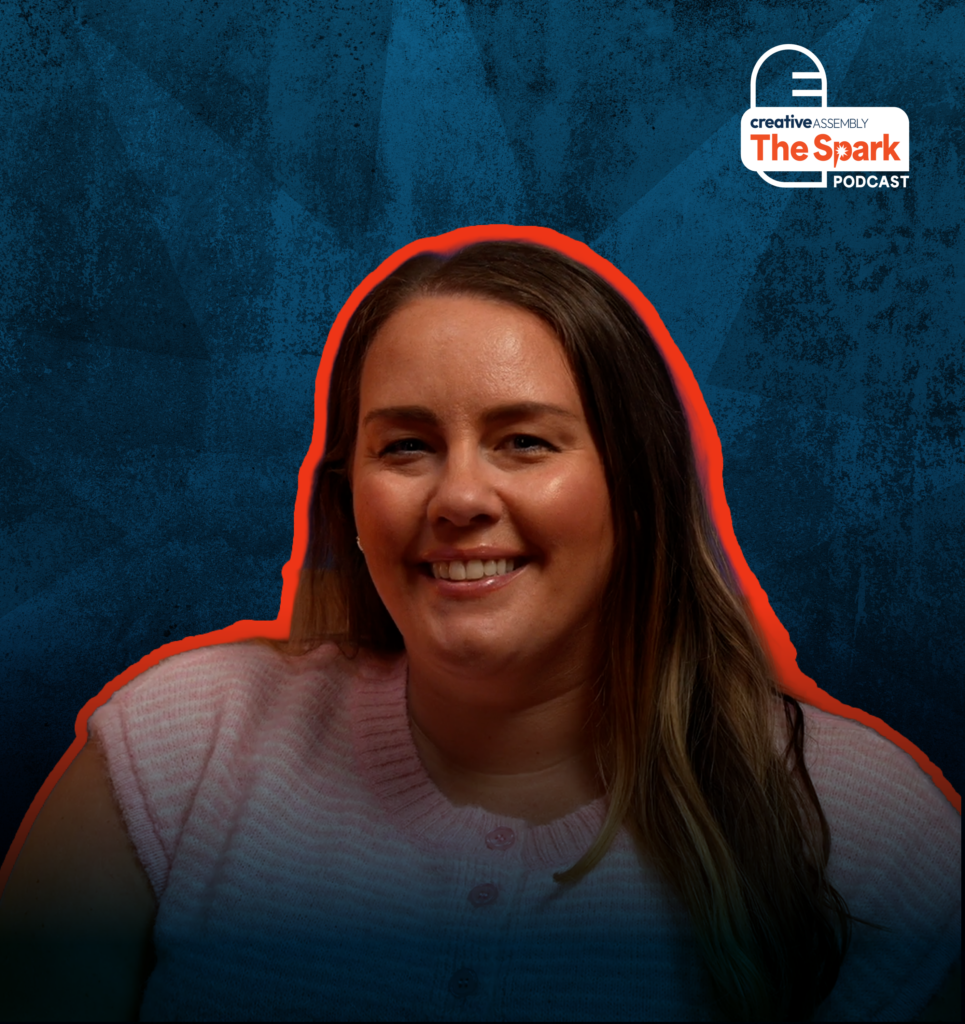
Dave Delaney
Dave Delaney helps people and organizations improve how they communicate, connect, and lead. He is a keynote speaker, published author, corporate trainer, executive coach, and the host of the ADHD Wise Squirrels podcast. Trusted by Google, FedEx, LinkedIn, UPS, and many other organizations, Delaney delivers keynote presentations that enlighten audiences with fresh ideas, empower them with practical tools, and entertain them with his energy, storytelling, and humor. Learn more at https://davedelaney.me
Never Miss an Episode. Subscribe Now
Follow Us
New episodes
We publish WEEKLY on THURSDAY at 11:00am.