

From $11,000 to Nashville Icon: How Mark McNeely Built a PR Agency Twice
Episode Summary
What separates a PR firm that lasts 45 years from one that fizzles out?
Mark McNeely, founder of McNeely, Pigott & Fox and now a Partner at McNeely Brockman PR, breaks down the campaigns, crises, and hard calls that built his career, including the seven-year fight to legalize wine sales in Tennessee grocery stores and the decision to go into business with his daughter. This conversation is for agency owners, founders, and marketers who want the real story behind sustained success, not the highlight reel. You’ll walk away with practical lessons on credibility, crisis leadership, and building a business that can survive you.
Episode Highlights
00:00 – Mark opens with the philosophy that’s guided his entire career: honesty isn’t the best policy; it’s the only one
09:59 – The bad press release that planted the seed for starting his own firm
24:18 – Bootstrapping McNeely & Associates on $11,000 and a home equity loan in year one
26:22 – The Nashville landmarks his firm helped shape, from Bridgestone Arena to Nissan Stadium
36:29 – The seven-year campaign to get wine into Tennessee grocery stores — his proudest professional win
40:31 – Why he chose his daughter, Kelly, as his partner in launching McNeely Brockman PR
53:14 – The three rules he gives every young PR professional he mentors
55:18 – Leading through crisis: 9/11, the 2008 recession, and a half-million-dollar theft
Transcript
first of all, in th- in this business, um, truth is the paragon.I mean, you know, um, honesty is the, not the best policy, i- it’s the only policy.Any successes belong to the people, and the staff, and the partners that, that I’ve had along the way.And, and, and it, it’s, it’s always been, uh, the focus of how we try to do our business.On Creative Assemblies: The SPARK Podcast, our mission is to amplify Nashville’s diverse creative voices, foster growth through shared journeys, and inspire a city that thrives on collaboration.And now, here’s The SPARK.Welcome back to The SPARK.I’m your host, Mark Scrivner, and today I am honored to have Mark McNeely with McNeely, Pigott & Fox, and now McNeely Brockman PR in the studio with me today to tell some of the stories he’s experienced over the years and share all his insights with our audience.So Mark, I’m honored to have you here.Well, thank- I’m excitedthanks for having me.This, this is a real treat for me.You’re one of the OGs in the, uh, you know, Nashville community for the public relations space.You’ve built something extraordinary with McNeely, Pigott & Fox over the years.And, you know, you’ve done something that I hope someday I can do in my life, and that’s go into business with my daughter and create a, a business.And so look forward to hearing all about your, uh, journey through McNeely, Pigott & Fox, and then now with, uh, McNeely Brockman.Okay.Yeah, well- So that’s awesomeum, y- you know, um, um, e- first of all, um, I’m not quite sure how to take the OG part because there were some guys older than me that I looked up to and helped me at, at the very start when I got into the public relations business.Um, and, a- and, and they were very, very helpful, maybe because they didn’t see me as any threat.Mm-hmm.Uh, or maybe they just generally wanted to be helpful.Yeah.Uh, and, uh, you know, people, people like Harold Goodrum and, and Tom Seigenthaler, and, um, Hank Dye, and Sue Atkinson, and my business partner, David Fox.Um, um, a lot of people helped me understand the business aspects of public relations.I f- I thought I kinda knew the craft, and for what I knew about it, it was being able to use the written word to somebody’s advantage.So, um, my, um, i- i- I have a lot of thanks to give to a lot of people that helped along the way.And, um, and, and, and at the big firm at MP&F, um, and now at McNeely Brockman, um, any successes belong to the people, and the staff, and the partners that, that I’ve had along the way.And, and, and it, it’s, it’s always been, um, the focus of how we try to do our business.So I, I’m from Knoxville originally, and, um, I moved to, uh, to Nashville in 1976 as a reporter, as, as, uh, I would cover state government and politics for the Knoxville News-Sentinel.Before that, though, I had, um, gone to UT, and while, while I was a journalism student at UT, I worked for the now-defunct, uh, Knoxville Journal.Each of the major cities had morning and afternoon papers then, and the Journal was the morning paper.Uh, and it was, it was, they had a lot of UT students.Mm-hmm.So a lot of young, uh, people paid nothing virtually.Um, but we kinda ran circles around the competition because we, because we were having a, a blast doing it.Um, when I graduated, I went to work for The Commercial Appeal in Memphis, and that at that time, uh, was one of the best newspapers in the Southeast.They were, uh, f- a huge staff.They put out 7 editions daily.I started off as a, uh, reporter, and then I got assigned to the, uh, what other papers would call the state desk, but there it was called the tri-state desk.And I edited and laid out copy from 14 news bureaus in 3 states, 3 state capitals, and the DC bureau, and, y- you know, it was a one-armed paper hanger thing.It was real busy.Everybody there w- took pride in their jobs.It was a, it really was a great place to work and learn.Um, and we ended up having triplets, and we had no family in Memphis.Wow.And so I got Scripps-Howard, which owned The Commercial Appeal and the News-Sentinel in Knoxville at the time.Mm-hmm.And they, this was against company policy, but they agreed to transfer me back home to Knoxville, um, to the News-Sentinel, which is not the paper I’d worked for.Mm.And, uh, I went there.I was a reporter, general assignment.Then I covered the energy beat, and covered TVA, and Oak Ridge, and the local utility board.Um, and, um, the News-Sentinel, um- Was not like the Commercial Appeal.It, it, um, this, it was hard to have the same sense of pride.Um, it was slower.It wasThey weren’t as, um, well, we’d seen it when I was a night police reporter at the Knoxville Journal.I mean, we, we beat them every day.And so th- they didn’t have the same, um, umph, uh, as the Memphis paper did.And, um, I tried my best to kind of do some things to pick, pick the pace up.Um, the News Sentinel had a state editor when he retired, he was 96 years old.Um, and they asked me, because I, of the work I’d done in Memphis, to become the state editor, and I became the youngest state editor in the history of the News Sentinel- Wowwhich was n- Mm-hmmbut th- this guy had covered the Scopes Monkey trial, so, um, he had been there forever.And he was very set and meticulous in his ways, which was pretty, um- Um, it, i- it, um, the News Sentinel had an opening in Nashville for their Nashville bureau to cover state government and politics.Um, and opened it up and I raised my hand and said I wanted to do it.Yeah.So I’m atThat’s how I got to Nashville.Okay.And so I had worked in Knoxville, in, in Memphis, and now in Nashville.Um, and met here at the Capitol, um, at, uh, covering the Capitol, um, a, a bunch of lifelong friends, including David Fox and Mike Pigott.And again, back then, uh, there was no, it was a 2cycle news cycle.It was, there, it wasn’t 24/7 like it is today.So the morning papers, um, competed against the afternoon papers.Mm-hmm.So they both worked, David and Mike both worked for the Banner, and I worked for the News Sentinel.And the Press-Scimitar in Memphis was the afternoon paper there, and the News Free Press in Chattanooga was the, their afternoon paper.And so the reporters for those publications would get together and share notes, and, and we couldn’t cover all the committees and stuff.And, and so we would help each other.Yeah.And, um, and that’s how we became friends.And w- and we were having a blast.It w- we were having the greatest time.We had a corrupt governor.Um, his name was Ray Blanton.Sorry.Um, and, um, it was almost a scandal a day.Really?It was so fun.Hmm.It was so fun to be a reporter back then.Yeah.Uh, and then they, they basically, um, and he ended up in prison, but, um, i- they basically, um, got, got him out of office early and installed a clean Jean- Yeahuh, young governor named Lamar Alexander, and it became very boring- Hmmvery quickly.Hmm.And, um, it just wasn’t the same.Yeah.Y- And, you know, we would sit around in the press room, you know, “What are we gonna do?”And we would kind of, reporters are cynics anyway, but, um, we would try to concoct something to do- Mm-hmmbesides be a newspaper reporter.But that’s, you still wrote and you still did things.And you know, we would, there would, you know, we’d be sitting there and somebody would come in, we called them suits.They’re always well-dressed- Mm-hmmyoung people, either men or women, and they would leave a press release.And we would look at the press release and laugh at it and throw it away-because it was poorly written, and the lead was buried, and it was not newsworthy.And we would go like, “We can do this better than this.”We were just reporters.Mm-hmm.But so that was kind of the seed.And David and Mike and I spent probably, uh, the next 2 years trying to go through every scenario.You know, let’s, let’s start a newsletter.Let’s start a magazine like Texas Monthly that takes, you know, no holds barred.How, how you gonna pay for it if you’reWell, I don’t wanna, umLet’s write a book.Well, how are we gonna live?Um, you know.Mm-hmm.Um, and, and we started talking about a PR firm and then, um, one afternoon, early afternoon, um, we, um, uh, and this is one of a series of these things, but I think it was in, I think it was in 1985, um, we I, I was working for Al Gore.Mm-hmm.Uh, Mike was still at the Banner and David had gone to work with Sue Atkinson’s PR firm and was learning the PR business.And we, we went to an Apple- the Applebee’s where, um, over near Vanderbilt.Mm-hmm.It’s no longer there, but we sat there and had an afternoon beer and on a napkin started a business plan and, um, had another beer and the business plan started developing.Um, and I think about the third beer, um, we kinda hit a snag because we were trying to decide what to call this thing.And Mike wanted it to be Pickett, Fox and McNeely and David wanted it to be Fox, McNeely and Pickett, and we decided we were all excited but we needed to probably go on home.And so, um, um, yeah, I go home and say, “You know, we had this, they really want to try to do this.”And, um, my wife, not the triplets’ mom, but- Mm-hmmmy wife, um, who, um, was always very level-headed about all this stuff, you know, said, “Well, you need to think about how you’d do it.”And, and, um, so literally for the next couple of years I tried my best every way I could to try to figure out how, how, how do you pay yourself?Mm-hmm.I mean, I kind of knew the, how to write a press release or how to, what was news or, uh, how to meet a deadline.Um, but I couldn’t, I didn’t know the business part of it and, and, um, I read books on starting your own business, I read books on public relations, I read accounting books.Uh, I, I, and I still, you know, and, and I, and, and, and I couldn’t figure out how to pay me, let less partners.And so, um, I finally just decided at the end of ’86 that I was gonna st- I was just gonna start the thing on my own and see how it went.Mm-hmm.And if it kinda worked then maybe bring the others in so that they wouldn’t be sacrificing something for their families and that kind of thing and, and, um, and, and my wife was all in on that.And my plan that first year was to break even.I didn’t, I wanted to be realistic so I wanted to say, “Yeah, I gotta be prepared.”Mm-hmm.Not, not to actually make any money, but not to lose any money.So we took out a home equity loan and lived, my part of it, my wife had a good job and we couldn’t have done it without her.Uh, a- and, and the first year I exceeded all expectations.I made $11,000- Mmin 1987 as a one person thing.It was McNeely and Associates.S- some of my more cynical friends would call and ask to talk to an associate.Um- Well, I was gonna say, Mark, that you, one out of the 3, you had your name first, so, uh- Well, that, it wasn’t- But- That wasn’t the reason.The real reason was- Y-I couldn’t figure out how we were gonna pay ourselves.You- And so, but I, but I, but I did step out first and, um, Mike and David both were kind of, “Well, what about us?”And I said, “Well, let me see how.”Yeah.And so at the, uh, at the, by the s- the second, so you know, it was rough and, and, and, um, the s- by the end of the second year though, um, I’d gotten some things kind of going and I was project managing a lot of stuff and bringing in freelancers and people who- Mm-hmmknew what they were doing and photographers and not many videographers, but some, some of that and, and kind of project management and, and, and it was actually starting to work pretty well.I mean, and, and actually, you know, uh, the first year obviously didn’t make near as much as I’d been used to making, but this was better and more.And, and November of that year Mike called me and wanted me to meet him at the Gerst House.The Gerst House is gone now and the original Gerst House was a cinder block building next to the interstate, not the newer one that they built later.And it was the hangout for all the East Nashville politicians and, and- Mmwe called it the East Nashville Bureau for the Banner.Um, the Banner reporters were all over there in the afternoon, and they had these, um, uh, uh, Mike called and wanted me to meet him there and, and they had these big fishbowl-beer things and, and, um, I know this sounds like a lot of beer stories, but-um, um, we got a, we got us one of those fishbowls, and I said, “What’s up?”And he said, “I quit my job today.”I said, I said, “You’re kidding.What, what are you gonna do?”And he said, “I’m going on with you.”And I said, “Oh, okay.”Um, so that’s how Mike got there, and we tried to fig- we spent a little while trying to figure that out.Uh, I think David’s feelings were hurt.Mm-hmm.Um, so we worked a good almost a year before he came and joined us, and, um, then there’s the 3 of us and, and a couple other people.Mm-hmm.And, and we, we, um, it was, it was a real struggle.I mean, uh, we, we, we, we really, uh, I don’t know if it was stupidity or, or, um, vanity or anybody w- with, with anyAnybody would’ve said, “This isn’t working.”Mm-hmm.We gottaBut we just, we kept on.Yeah.And we, um, um, things started happening that, that, thatDavid hadn’t been there a year before we got our first national client, a, a first real national- Mm-hmmclient of substance, and he, uh, he was key to that, and we were preparing for it.And that firm was using Hill & Knowlton, which was the largest PR firm in the nation then.Oh, wow.And they were using their Atlanta office, and back then they were paying $20,000 a month.This is in- Mm.This is in 1990.Wow.That, that, I mean- Mm-hmmthat, I meanAnd, um, we’re preparing f- for our pitch meeting with them- Mm-hmmand, um, we, we had run out of stationery, the McNeely & Associates stationery.Mm-hmm.And we decided on the spot that it’s gonna, we’re gonna sound a, we’re gonna sound a lot better if it’s McNeely, Pigott & Fox rather than- Mm-hmmMcNeely & Associates.So we had that all printed up and, and, um, we got the business and it was not 20,000 a month at all, but it was a lot more than we were used to- Yeahgetting.That, and that kinda started, but it was still tough.And so the first 5 years it was- Mm-hmmit was, it was touch and go all the way.In 1993, um, Katie Varney and Dave Cooley came on as partners, and that really jump-started it.We had, in ’93, we had 17 people, and our net fee billings in ’93 were $500,000.Hmm.Wow.Net fee.Yeah.The next year they were a million, the next year they were 2 1000000, the next year they were 3.6 1000000, the next year they were 4 pointSo it start- Yeahit really started, uh, growing.That’s- And then we started bringing in people who actually did other stuff, um, a lot better than we did, and that was- Mm-hmmuh, uh, key to the growth.Um, so, so, um, I went into business with friends.Mm-hmm.We brought on people we knew as friends.It is not a good business model.It’s not the most profitable- Mm-hmmbusiness model at all.Um, we all knew that, and, um, we, in, in spite of that, we liked- Mm-hmmdoing it that way, um, rather than other ways.um, rather than other ways.And, um, one of the questions that I think you were gonna talk to me about was what, what did I learn in journalism and, and also after journalism- Mm-hmmI didn’t go straight into PR.I, I, I did politics and public service, and what I learned from those things, um, to bring to the table.And what I learned was that newspapers back then were, were, were nasty.I mean- Mm-hmmthey were smoke-filled rooms with ink-stained wretches and, and, um, um- And how about the political?And, and poli- so, so, so I told you reporters are cynical.Yeah Um, um, um, um, the, the, um, umthe, I re- I rarely saw a happy person in the newsroom.In a political campaign, um, there’s so much wasted energy with turf guarding and, and, um, egoism and, and, um, it, it, it, it’s, it’s wasted energy.Mm-hmm.And, and if you’re gonna, if you’re gonna work, and if you’ve got a job, you need to try to enjoy it.Mm-hmm.You need to try toAnd, and it, it might be, um, pie in the sky to say, but so what we did from the get-go was, was try to be a place that people didn’t mind coming to work.Yeah.And, you know, 3 other reporters that we had, we had work to do about those things, you know, ourselves.Yeah.And, and then when I mentioned Katie Varney, when she came on, um, and she’d been at the Ingram Group, when she came on in ’93, sh- her only condition, and she took a huge pay cut to come with us, um, i- w- was that we have a retreat each year, um, to plan and retreat- Mm-hmm.Yeahand whatnot, and we says, “Sure, we’ll do that.”Um, and, and Mike and Dave and I’d, you know, once a year we’d probably go out for a night or two and get a boat on, on the lake and drink beer-and smoke cigars and pontificate and- Yeahand come up with the, with the plan.But what Katie had in mind was a little different, and so i- in ’93 we also had our first staff retreat offsite, and it was, um, you know, it’s where we came up with our mission statement and- Yeahand did a lot of planning and, and, and that kind of thing.And, um, and that became a annual tradition- Mm-hmmthere at McNelly, Pig and Fox, and, and they still do that today.And then we’ve done that at, at McNelly Brockman too.Um, um, so, um, Katie, I’m, I’m, I’m so glad that she did insist on that- Mmbecause it, it really was, it became a learning and bonding- Yeahexperience for, for all.Mm.Support for the Spark comes from our sponsor, Snapshot.Building something that matters takes more than a good idea.It takes a brand people trust and a system that reaches the right people.Snapshot is a performance-driven marketing agency that helps businesses grow with strategy, creativity, and measurable results.To learn how to build scalable systems for sustainable growth, visit the link in our show notes.You know, Mark, I mean, 1, I love the, that you go back and you pay homage to the people that actually helped you, which, uh, you know, a lot of folks may not even know some of those names- Surein the business, so it’s great to hear.Your, um, you know, your first year in business, you, uh, you know, you did $11,000 and, uh, you put your house up for collateral to be able to launch, you know, your firm.You know, it’s like what every entrepreneur or true entrepreneur has to do, and it’s just great to hear that story of how you actually founded it.Your first year when you did the 11,000, do you remember, like, what your first project was when you said, “Man, I’m, I think we, I may make it in this deal”?Was it $100?Was it 1,000?Uh, you know, the fir- the, the first few clients were so small that they were little projects and, and, and I, and I was l- I was learning as I went as, you know, how to, how to charge for your time- Mm-hmmand how to capture it.And, and I mean, I was, you know, I kept the checkbook and- Mm-hmmand my wife was a banker, so she’s, thank goodness she would double-check me ’cause I would, I would monthly go through and balance the checkbook and, and then she would come back and find these huge mistakes, but they always evened out somehow.They, so they weren’t, I wasn’t way off.Um, um, the, I don’t know.We, w- um, we had, um, I, I, I had 2 or 3, um, clients that were real learning experiences for me and the clients, and because, uh, like I said, I, I didn’t know the business part and I was learning it.Mm-hmm.And it’s, it’s, it, it- It, it’s not rocket science, it’s just that you need to- Yeahhave a grasp of it and do it a lot.And- And you had to learn along the way.Yeah.And I still learn.Well- I mean, I’m still learning every daywell, as you were building it, though, you, you all had a hand in so many things that have shaped the city.And, uh, you know, as I was going back and doing a little research, it’s, uh, pretty amazing to hear, I mean, you’ve had a hand in the Titans story of being here, the Predators, uh, you know, Bridgestone Arena, um, Nissan Stadium.I mean, so many big things that you and the firm and all your folks shaped for the city.Yeah.Well, I wish I could take credit for it, but they, it was the, it was the whole group.And, and, um, I think, you know, we, we, we were at the right place at the right time on a lot of those things.And, um, y- you know, it, it, um, it, it’s a great sense of pride, not only to be involved in, in successful endeavors like those, but also just in the, just in the, to be part of the cha- a change, asI mean, we, we, we were downtown f- for, I mean, my office was downtown until last year, and, um, so from 1987- Mm-hmmwe were downtown.And so you, you can imagine the tremendous growth and, and changes that happened in downtown Nashville.I mean, you used to d- not wanna go down to lower- Mm-hmmBroad.You, you- Oh, yeahyou, um, y- you know, j- just, just to s- We did a Christmas card one year that we had our friend Dean Dixon, great photographer, take from our offices out, looking both ways, both downtown and back towards the arena, and the arena had just been built, and that was one of our huge proud moments.And, and, and I wa- saw it the other day, and the arena obviously is still there.Mm-hmm.But the convention center wasn’t there, and about 50 other buildings were not there.Oh, yeah.I mean, it is amazing what’s happened.Mm-hmm.Uh, and the growth and that kinda thing.So, so being a part of that- Mmum, being a part of a company that was very successful because of the people, and being a part of a, of a fantastic, uh, gro- growth of a city, um, are, are just great sources of pride.Yeah.And, and, um, you know, I don’t know that it’ll ever, I mean, and hopefully it will, uh, hopefully big city problems that we now face because of infrastructure problems, et cetera- Mmum, will, will, um, um, not create the issues that-will turn things backwards, but- We’re gonna, we’re gonna credit you for all the good things, and then we’re gonna, we’re gonna ding you- Nahfor the traffic.Yeah.So, no, uh- Right, rightyou know, and beyond the press releases being terrible, when you and you all were in the newsroom, like what, what did Nashville not have that you set out to start with your firm at the very beginning?Well, I, I’m not sure, I’m not sure that, thatI’m not sure I ever identified s- one single or 1 Mm-hmmarea that, that this has to, this has to change, you know?Um, also back when I started in, as a one-person shop, if you’d looked, you know, we used to have Yellow Pages.Mm-hmm.And if you looked in the Nashville Yellow Pages back then, there were 60-something public relations firms listed.Okay.60.Wow.M- m- the vast majority of them were mom and pop or one person, but, but there were a lot of companies that called themselves public relations.Mm-hmm.And, and obviously there’s not near that many now.Mm-hmm.Um, and, um, back then, I’m s- I’m thinking that, um, maybe the largest of the PR firms was a firm, one of theoriginal firms, Hill & Knowlton, and they were, they were kind of in their waning years, and the up-and-coming firm was Dave & Moore and Lawrence and Erickson, because Erick Erickson, the advertising agency, was a partner of theirs.Um, and, um, and I, I, um, looked up to them because I thought they were doing a good job and, and Hank had offered me a job there and IBut I wanted to do something on my own.Mm-hmm Um, um, I, I thought that there could beI, I didn’t see a general sense of excellence, um, and so, uh, what I set out to do was to do 2 things, um, and I, I, I think I, I think I achieved one of them, or we achieved one of them.I think we didn’t achieve the other until much later than I thought we would.When I was working for Gore and told him that I was leaving to start my PR firm, um, he, he, he, he was supportive, but he was asking then, “W- what do you wanna do?”And I said, “Well, um, I think we can have the best PR firm in the state and the biggest PR firm, firm in the state within 3 years.”And I don’t know if we were the best PR firm in the state in 3 years, but, uh, in 5 or 6, I think- Mm-hmmwe probably were.We weren’t the biggest until, you know- Yeah12 or 15 years later, but, but still, um, uh, so I, I, I thought, I thought that there was room for, for some- Yeahsome- something else.Well, you, you all did end up being named the largest- Yeahindependent public relations firm in Tennessee, right?For- Yeah, one of the largest in the Southeast.Yeah.And I mean, I can only imagine the amount of people that you got into their own businesses based on the experience they learned from you.There’s probably a family tree of- Well, there i-MPNFthere is.There’s a, there’s sort of a general PR family tree that would include a lot of the names I’ve already mentioned.Mm-hmm Um, and then, you know, we’ve had, um, uh, I, I, um, I s- we spun out of the big company in 2018, so, um, I haven’t, I haven’t counted, counted accurately since then.Mm-hmm.But at, I think at last count, I had, um, either had a hand in hiring or, or, or managing close to 300 people.Yeah And, um, a lot of those people were people that came in and said, “This is fun, but I’m gonna do something else.”Mm-hmm.That, that’s totallyA lot of people, um, uh, came in and, um, decided to go to law school or grad school.Um, a lot of people, um, uh, left the market because of, you know, getting married or that kind of thing.Very, very few, just maybe 3 or 4, actually went to work for competitors.Um, so- Hmmthat- Yeahthat, th- and that’sAnd then that says a lot, a lot about the c- public relations community in Nashville.Um, there’s, there’s, the, it’s competitive as all get out, but there’s a mutual respect in general.Mm-hmm.When things got tough, and things have gotten tough for everybody several times since I’ve been doing this- Mm-hmmum, it becomes a little more tense, uh- Yeahyou know?But, but, um, you know, i- i- um, one of the things I always try to tell the younger people is that ch- change is inevitable.Um, surprise is inevitable.We can’t control what we can’t control.Mm-hmm And that’s one of the things that makes this fun, because you, you, you never know from day to day what you’re gonna be dealing with.But, um, there’s stuff at, totally out of control and, you know, the, the best examples are 9/11.You know, um, 9/11, when, when that happened we were having our best year ever.Hmm.The, I mean, I’m not talking about us, I’m talking about communications companies just across the board nationally, internationally.Mm-hmm.Froze.Nobody did anything.It just shut down.Nobody was gonna- Wowand, um, we, you know, we learned how to deal with adversity very well, uh, when that happened in a, i- i- i- in a simple way.And, and it’s, again, with friends, it’s not the most, um, eh, it’s not the most, um, it’s not the most profitable, but- Mm-hmmyou know, if you, if you got a sm- closely held operation, the owners are the ones who take the hit.Yeah.And so- For sureso- Yeahwe learned that one way to do things is just to ride, ride it out that way, but not- Not do everything we can to protect the staff.Yeah.You know, before we get into you leaving and starting the new firm with, uh, your daughter, um, which I’ve really been looking forward to hearing about, you know, as you look back at y- all the time you spent at MPNF, is there any one project or one thing that you think, “I’m the most proud of that we did”?I know you’ve done a ton of great things.Well, um, there’s, th- th- there’s more than one, but, but probably, probably the one that I’m most proud of, um, is, is the, is the work that we did over a 7year period, um, to get to allow the sale of wine in grocery stores.Oh, wow.Yeah, okay.And, uh- It was a big dealit, it, it, it, it was a, it was a combination of, of, of having public opinion force a change in how the legislature looked at things.Mm-hmm.And it was a slow process.The liquor lobby in Tennessee is very strong.Mm-hmm.And, uh, but we, we s- we surveyed on it from the get-go and knew that the, that the consuming public was totally for it.Mm-hmm.It was a long, arduous process.The first probably year we got to about the 10-yard line, our 10-yard line.Mm-hmm.And by about the 5th year we were past midfield.The year, the year before we were, we were right down on the goal line, but couldn’t get it over, but then finally- Hmmfinally got it, and then we had to go into however many counties.There were, it was something like 70 counties had to have their own individual referendum- Wowto, to approve it, and every single one of them approved it overwhelmingly.Hmm.So those were huge victories and, and it, and it, it validated, number one, our survey work all through the thing, which we knew- Mm-hmmthe public wanted.Um, a- and, and so, um, my late partner, Alice Chapman, and I worked on that for several years and, um, w- w- it, and we won a national award for it.And, and so it was, uh, that, that- Niceum, y- we, we, with the Public Relations of America Silver Anvil Awards, we won Best of Show 0 on a project with Blue Cross on, on opioids.Very proud moment.Um, w- um, Katie, uh, and our firm worked, uh, hard, um, to basically tell the Gellowan story, which allowed a woman on death row to be, uh, pardoned eventually.Hmm.And, and, and this was a sad story about a woman who was, uh, abused and convicted of murder and, um, none of the testimony had come out at trial about what she’d been through- Mm-hmmand, and the circumstances.So to save somebody’s life is pretty important, too.Oh, yeah.Man, all very big, but yes, you’re right, that’s a, that’s a big one.Well- But the one that people say- Yeah”Yeah, yeah,” is the wine in grocery stores.Yeah.Well, you know, uh, I mean, beyond just the people that you’ve helped get into business, I will tell you that, you know, when we were in our early days of our business, uh, you talked about how you went and got freelancers.Well, we did, uh, quite a few projects together in the early days that helped us continue to grow and- Rightget to where we’re at today.So we’re very thankful for- Well-you all and, um, your team for pulling us in to a few things, so thank you.Um, and then, you know, as we, now that we’re getting into the story, you built the biggest firm, and then you stepped away to launch another PR firm with your daughter.Oh, in, in 2008, which was another one of those years.Mm-hmm.You know, um, in the fall of 2008, you know, the economy crashed.Yeah.And that’s, it was a bad year, and it, it took a while for all of us to limp out of that.Mm-hmm.But one of the partners at the time, Dave Cooley, who has his own firm now, um, um, a- and, and my daughter, Kelly, had worked together at the state.Okay.And Dave was pressing to bring Kelly on to the MPNF staff.Kelly had mentioned it to me, and I’d kind of blow- blown it off ’cause I wasn’t gonna deal with it.Um, it kinda got serious and, and she had done great.She’d done, sheWhen she first graduated college, her first job was at the Chattanooga Airport Authority as the marketing manager, and then turn around, there’s 9/11, and they’re diverting all these planes from Atlanta to, to the Ch- little Chattanooga Airport, and there she is dealing with national media, with the, with the microphones in her face, and she loved it.So, and so she, she started her career dealing- Mm-hmmwith crisis communications.And, and, and she’d hung around the office with us a lot, you know, over the years.And, and so I said, “Look, if y’all wanna talk to her, you can, but I’m recusing myself.”We, we had a strict nepotism policy that I, that by the way, Hank Dye told me how to do.Mm-hmm.Um, and, and we had that policy, and I, and I said, “As long as she’s on teams that I’m not on, and, you know, that we’re not-” Mm-hmm.You know, “If y’all, whatever y’all wanna do.”But, so they hired her, you know, in the summer of 2008, and then the fall came, and so she was with a group of people, like, uh, you know, the same amount of experience, and titles, and basic compensation and everything, that basically did not get any raises.They kept their jobs, and they got- Mm-hmmlittle bonuses occasionally or whatever we could do, but it, it, you know, n- very little growth.And we didn’t work together.And I was so determined not to let anybody think I was playing favorites that, that I basically snubbed her.I would avoid her, you know?Mm-hmm.And felt terrible, but, you know.And, and, uh, she, and, and, and she, um, uhWe’re kinda coming out of that, after the 2008, after about 4 or 5 years, it’s starting to pick back up again.And, and, and, uh, and she had worked at the state and, um, and she got a call from the state and wanting her to come over there in conservation and environment.And, um, she came to me and said that, “I’ve been offered this job and it pays a lot more than this does.”And I said, “Take it.”Mm-hmm.And, um, she said, “Really?”And I said, “Yeah, you, go take it.You need to meet as many people as you can.Do what you can.”Yeah, that’s smart.And she did.And, and she did that, and, and, um, ended up later on going to work for Metro and knowing all the inside players at Metro, and, um, a- and was really enjoying all that.Mm-hmm.Um, and in, in the summer of 2017, MPNF was, it’s, it was the 30th anniversary.Mm-hmm.And, um, the partners at MPNF decided it’d be a good idea to throw a little, um, not a roast, but a little thing celebrating the 30th anniversary.And, and, yeah, and like I said, it was all a team effort, but they wanted to put the hat on me.And I, and it was, it was nice.It was embarrassing.Didn’t wanna spend the money to do it, but, I mean, it was a g- it was a very nice, very nice thing to do.Mm-hmm.And, and I was trying to think of a way to say thank you without just sending them a bottle of wine or whatever.And, you know, in journalism lingo, a 30 at the bottom of your story means the end.And it was the 30th anniversary.And I’d been working for 2 or 3 years trying to, trying to, um, get a succession, a, a more formalized succession thing in that would require me not to be managing partner, and somebody else there to step up.And, and I s- I was try- I f- I try, I came up with a plan that I would still be there if they needed me.Um, I could still work on legacy clients if they wanted me to.They wouldn’t have to pay me- Mm-hmmwhich was, you know, um, I could, I could work on smaller niche things or s- s- it was a pretty big agency, 70 people, and so a lot of, a lot of pop- opportunities were just not the right fit money-wise, and that would be an option there.It could be a, it could be, uh, used as a conflict agency.Um, I kinda did I, but I didn’t wanna do anything to hurt them, but I, I want, I wantedWe’d always said we wanted to build a company that was gonna be there after we were gone.Mm-hmm.And so, a- and I was, I was trying to start forcing that ’cause we were not getting any younger.And, and again, uh, my friends at another agency with a bunch of guys that were partners who were getting old, um, I watched that and I didn’t want that to happen.And so, um, I was trying to figure out a way where I could slide out without being harmful to the company- Mm-hmmand, and, and still be there if they needed me.And, um, kinda had it, kinda had it down, but I said, “Well, I don’t know if I can do this by myself.I’llWho’s, who could I get who’s pretty darn good?”And I said, “Hmm, I wonder if Kelly might be interested.”And so we hadWe met one day.We, we met frequently for lunch, met about every month anyway, and we met one day and I said, “Hey, I’ve got this idea,” and I laid it out and, and I laidAnd I said, “But this, this would be the parameters.”And she told me her parameters, which would be she’d need always be with her kids when they need, you know.Mm-hmm.It’s, you know, not- Yeahno problem.And sh- I think she said, “Hell yeah.”Um, I think she s- Wow.So s- it took a little while.Yeah.It, it took a little while, and then there’s more stuff that hadWe, um, I think the partners at MPNF may at first thought I was trying to get Kelly rehired there, which was absolutely not what I was- Mm-hmmtrying to do at all.Um, and but, uh, they asked us to wait a little while until some other stuff happened and, and so we started on June 1st, 2018, pretty much like I’d started on January 1st, 1987.Um, no clients.We didn’t have a checkbook.Um, we, we started to see the paths and, um, bootstrapping and, and, um, you know.And I’d had planned, uh, kinda like before, we don’t need to be worried aboutWe need to plan on this being kinda slow to get started.And, and, and we were subleasing space from MPNF and, and, um, I was still pretty busy with their clients and, and, um, it took us a little while to, to, to get going and, um, we, we both loved it though.Yeah.And we were, we were starting to get our mojo going and COVID hit, and that kind of, that kind of- Hmmslowed things way down Yeahas you know, for about a year.And, and but thank goodness we weren’t, we didn’t have a bunch of hospitality clients- Mm-hmmyou know, people that were shut down.Um, and, um, so yeah, it’s, it’s, it’s been great and she’s great and, um, we, um, we’re father-daughter.Um, uh, uh, I’m not worried about nepotism right now.Um, um, we have disagreements.Um, we’ve got 2 other partners who are really good and, and bring other voices and other, um, um, you know- Yeahoutlooks and viewpoints to the, to the table.But, um, uh, she, she, uh, a- a- and again, she, uh, is not afraid to tell me if she thinks I’m wrong and I’m not afraid to tell her.And, and- That’s good you went ahead and addressed it ’cause I was gonna ask you that.But really, like, I think the audience might be very interested in the biggest difference in starting a firm with your daughter versus starting it with a bunch of friends.What was the biggest difference?I mean, when we st- when I started with a bunch of friends, we, it w- it, w- we, we, we were, we were chasing a dream and didn’t even know what we were doing.Mm-hmm.I mean, it was, it, it, it, it literally, when you think about it, it, um, we were so fortunate.And, and, um, with her, I think I had, uh, learned a lot of stuff, and so I learned a lot of stuff to avoid or not to get drawn into.And there’s a whole bunch of things that, that, about running an agency that I, that I’ve picked up over the years.And, and I said earlier, it’s not rocket science, but it’s, it’s, it’s, um, you know, our company, it, there’s so many s- even though it’s a totally separate company than the big company, and we were at 0 at one time lot closer connected, but it’s totally separated now.And, um, you know, I, I think that some of the things though that, that were important there remain just as important for us.We’ve, um, that mission statement from 1993, if we’ve got a mission statement, it’s very similar to it and it’s, you know, it, it, it basically goes back to being a good place to work.Mm-hmm.And, um, a- and, and, and th- and, and treating people well.And so, um, you know, we wanna do the best job we can for our clients.Um, we wanna have fun.Mm-hmm.We wanna enjoy what we’re doing, and we wanna be profitable enough as an enterprise that we can spread whatever those profits are among everybody there and not just the owners.Mm-hmm.And again, that’s not the m- the best business model, uh, and I, you know that, but it, it, um- That’s itwe’ve been going 8 years now, and I think we’ve had s- we’ve had very little turnover.Um, um, w- our big challenges now are how, trying not to grow too fast or, or, or managing growth because, uh, because I’ve, I’ve also learned that, um, bigger is not necessarily better.Mm-hmm.Um, and- It’s a good lessonum- Yeahso gotta be real careful there.Mm-hmm.Um, but I, I, I think, um, you trust your friends because they’re friends.You trust, you, you trust your blood because they’re blood and, and there’s a difference, and I don’t know q- quite how to explain that.Mm-hmm.Um, but, um, um, and m- maybe you can have Kelly on sometime and talk about that.Yeah.No, I’d love to.Yeah, I think that’ll be the next one.So, uh, and I’ll ask her- Yeahhow she holds you accountable.uh- She, y- you know, and I won’t try to throw outside.Well, you know, you, um, you know, you’ve mentored hundreds of PR professionals over the years.Do you ever find, like, that there’s a common thing that you typically tell them, or- Yeah.I mean- W- first of all, in th- in this business, um, truth is the paragon.I mean, you know, um, honesty is the, not the best policy.It’s the only policy.So, you know, y- you, um, y- you, um, have a reporter who trusts you and then something happens where you, they think that you haven’t been straight with them, it’s g- it’s gonna take a long, long time to ever repair that.And credibility is the main thing that we’ve got in this business.Mm-hmm.And so sounds trite, but telling the truth is the number one.Mm.The second, the second thing is learn fr- you’re gonna make mistakes and learn from your mistakes.Don’t deny them, learn from them.And the third thing is stand up for yourself.Don’t be bullied.You know, if you believe in something, stand up for it.Mm-hmm.Uh, you know, um, for, that’s for the younger people.For, for, I’ve, I’ve, I’ve spent a lot of years, um, uh, uh, with PRSA.They have a counselors academy, and it’s agency owners- Mm-hmmfrom around the nation.And I’m, I’m not very active now.Kelly’s very active.She’s on the review, executive committee.But, um, y- you learn a lot from your peers around the nation- Mmon best practices and how to do things and how to not do things, and a lot of them are, a lot of them are personnel issue things and, and difficult clients and, y- you know, things that a- and you’re not really worried about competing with them.You know, you- Mm-hmmyou learn from them.And so you just, picking up, picking up things, uh, from other people who do what you do is, I think, real important.And, um, you know, I’ve saw, I’ve seen through those times like, um, you know, 9/11, like 2008, like in our case in 2012, we had almost a m- half million dollars stolen from us.Oof.And, um, by somebody we thought was a friend.Mm-hmm.And, um- Wowthe partners had to step up and deal with it as the partners.Mm-hmm.And, um, there was a lot of other things going on at the same time, um, um, that, you know, um, were, were not fun.Mm.Y- y- what you can’t do is get paralyzed by fear in the, in the tough economic times.And the, and, and w- I think, I think right now is a t- I think right now is a very uncertain time.Uh, I’ve, um, I think everybody’s feeling the uncertainties.People are taking a little longer to make decisions.Mm-hmm.They’re putting off the projects, they’re, um, cutting budget, you know, all that stuff- Mm-hmmthat you kind of s- it, it’s all because I think uncertainty.So, so wh- when those things happen, you can get paralyzed by fear or, or you’re just gonna sit there- Mm-hmmand shrivel.And so you can’t lose, you can’t lose that, um, that risk taking- Yeahthat owning a business is all about.Man, there’s so many great lessons came out of this show, and I just, um, I know the audience is gonna take so much away from everything you’ve said, from, you know, your, your lessons to justI mean, most people look at it and go, “Well, Mark, you were lucky.I mean, MPNF, that just was a rocket ship.”And not hearing the inside stories of somebody stealing the half million from you, you know, and it’s those stories that people from the outside never get to hear.But every agency owner deals with similar things, maybe not at that scale, but at the size they might be, it might feel like it’s that- Yeahthat scale.And you know how you just have to keep pushing to get through it.And, you know, I’ve always been, uh, very, like, we’ve always looked at you all to, like, you know, as a icon in the marketplace.And it’s also good to hear that there was a lot of collaboration, even though people would think that DV and L and, and you all were the biggest competitors in town, maybe the Siegenthalers and, you know, how you collaborated with each other from time to time.Right.Uh, you know, and how you helped each other when you needed to.And- I, I, I mean, I, I try my best to stay in good contact with most, most e- everybody that’s, that’s still active.I, um, um, Beth Courtney’s a, a good friend.Mm-hmm.And, and we had lunch a couple weeks ago, and I, I, I admire her.I, I admired her dad and learned a lot from her dad.Mm-hmm.And, um, you know, Hank, Hank was always great.Um, uh, and, and we would compete and sometimes they would win, and sometimes we would win.And if we won, he would usually call me and say, “Let’s go have a beer and talk about it.”Mm-hmm.So- Mmum, you know, um, one thing I’ve never done, um, and you never say never, I guess, but I’ve never knowingly poached a, a employee or a client that I knew was working- Hmmfor, for somebody who I considered a competitor.That doesn’t mean that a client hadn’t come to us- Yeahsaying, “I wanna talk to you”- Mm-hmmor an, an employee, but I have not proactively- Reached outdone that.And, uh, and I, I, I think that’s hard to do in a big market like New York, Chicago, or LA where- Mm-hmmthere’s very little loyalty, and there’s a lot of jumping around.But in a, uh, uh, in a market like this, I think it’s something I wanna try to hold onto.Well, that’s, uh, another great lesson ’cause it, it comes around tenfold if you do that.And, uh, and, uh, it has for you all.Is there anything as we start to wrap up maybe that I didn’t ask you or that you wanna share?I could talk for days about- I could listen for days too.It’s been amazing.No, I think this has been, this has been great.Yeah.And I appreciate the opportunity, and I hope I didn’t ramble too much.No, you did great, and I really appreciate all the lessons you shared, and I’ve taken a lot away for myself.So thanks, and thanks for being such a big part of creating this, you know, community that we have right now with the PR firms and the agencies in town.And thanks again for all your support in the early days.That meant the world to us- Sureand got us where we’re at.Well, good.Uh- Good.I’m, I’m, I’m impressed.Yeah.Well, thank you.And thank you all for joining us.This has been a great episode, and, um, you know, I’m again honored to have Mark on the show and, uh, share his wisdom, uh, with you all.If you would, please subscribe, rate, and review just so we can get this message out to more people.Uh, I’ll drop, uh, Mark’s information in the show notes as well as if you had any other additional questions, please, uh, reach out to him.But, uh, thank you, and we’ll see you next week on The Spark.And that’s a wrap on this episode of The Spark from Creative Assembly.Thanks for spending time with us and exploring the minds shaping Nashville’s creative future.If you’re walking away more inspired, connected, or energized, that’s exactly the point.A big thank you to our sponsor, Snapshot, and the incredible team behind the scenes who make this show possible.Your support fuels every conversation and keeps collaboration alive.So if you haven’t already, subscribe wherever you get your podcasts and leave us a review.Thanks again for tuning in.Until next time, stay creative, stay curious, and keep that spark.
Watch, Listen, and Subscribe



Listen to More Episodes
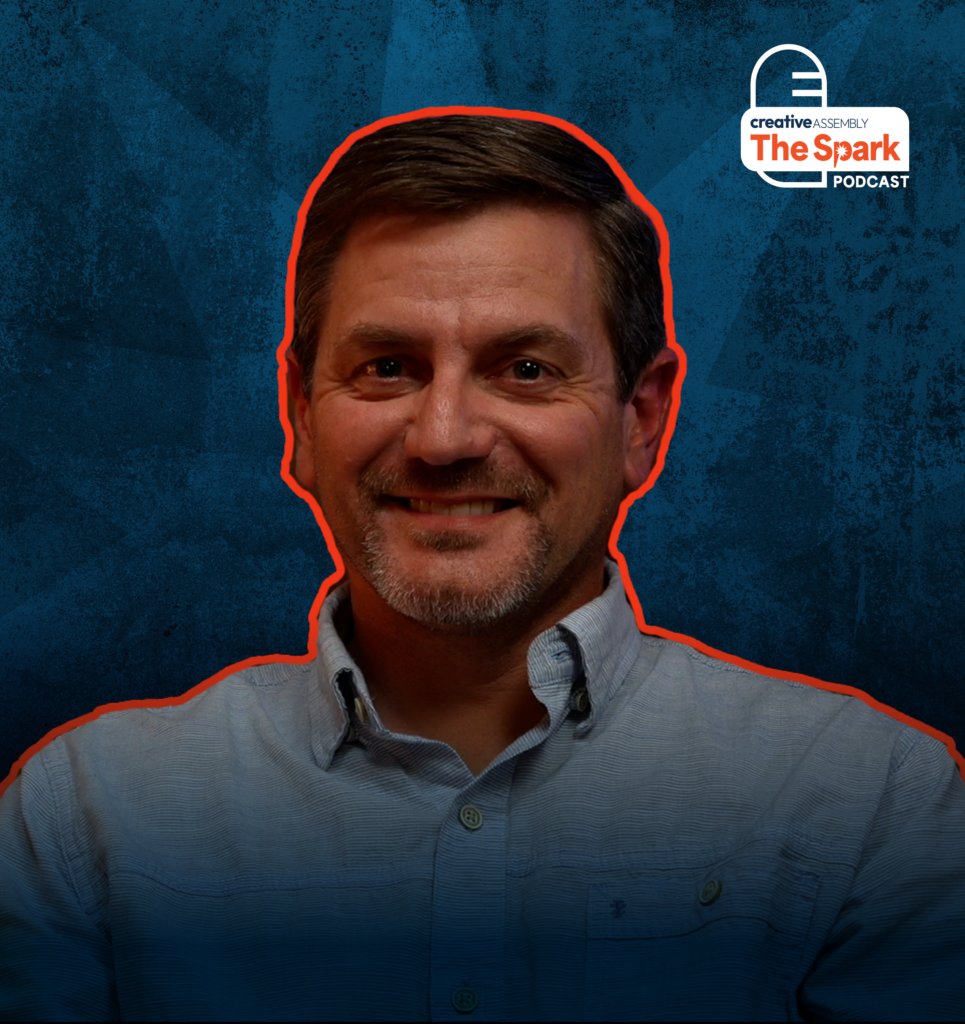
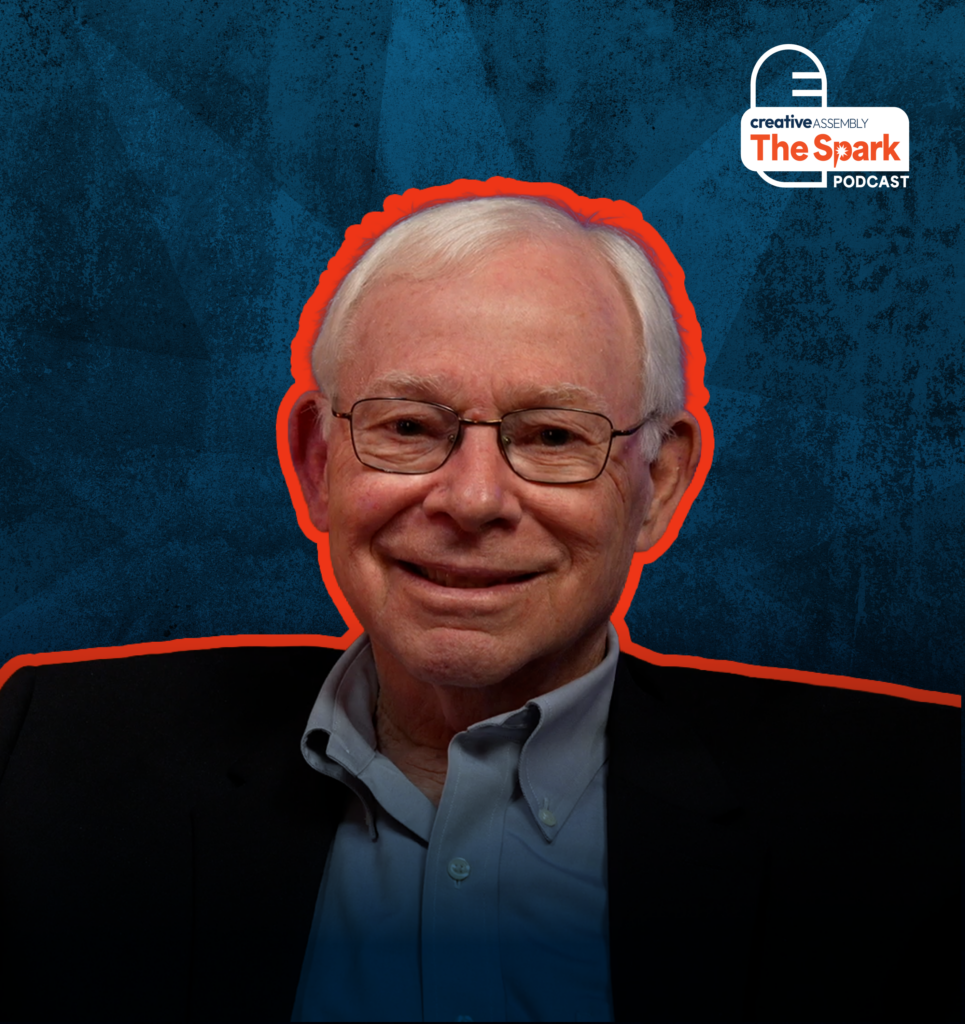
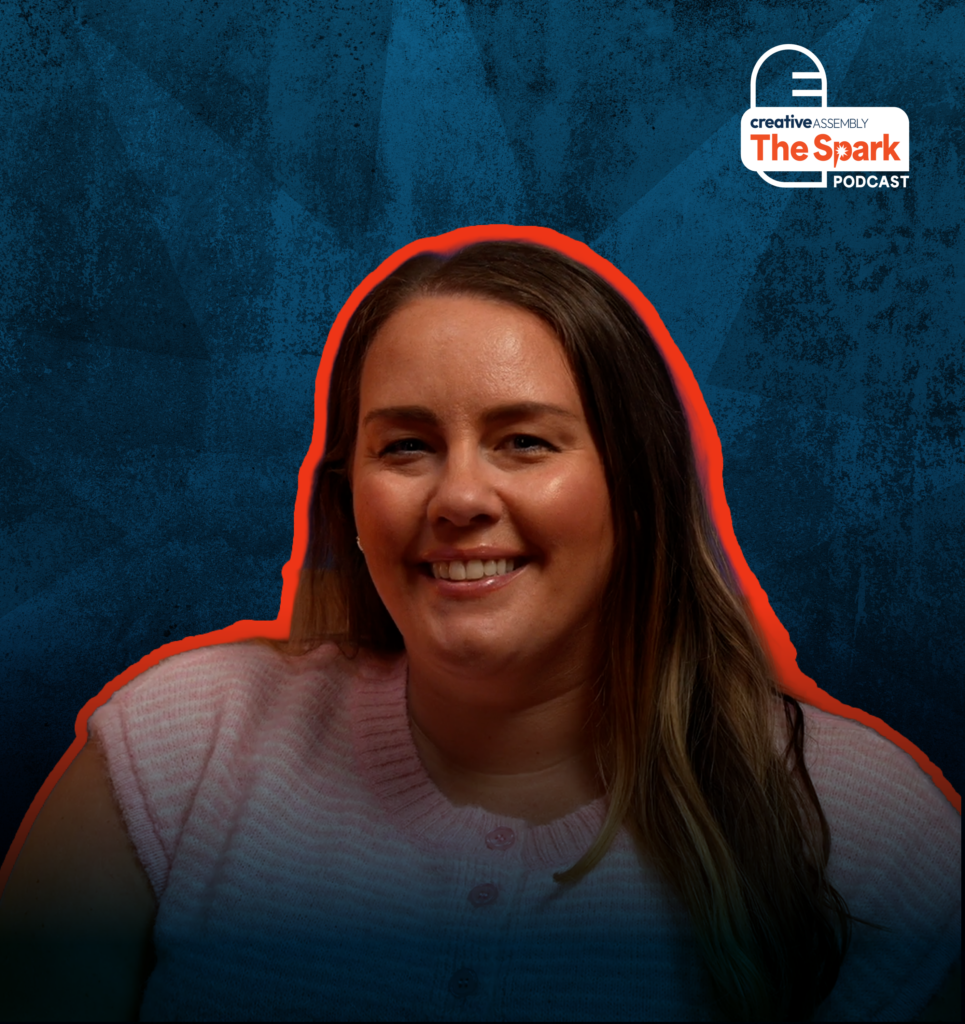
Meet Our Guests
Never Miss an Episode. Subscribe Now
Follow Us
New episodes
We publish WEEKLY on THURSDAY at 11:00am.