

Creative Velocity: How Boutique Agencies Win Enterprise Brands with Confidant’s Ken Byers
Episode Summary
What does it take for a two-person agency in Nashville to beat out well-known firms from Berlin and London for a global Sony account? Ken Byers, founder and CEO of Confidant, has lived that story — and he’s spent nearly a decade since turning it into a repeatable model. In this episode of The Spark, Mark Scrivner sits down with Ken at Creative Assembly’s East Nashville studio for a conversation that covers the full arc: from writing a sixth-grade term paper about working in advertising, to landing at Ogilvy & Mather, to going brand-side at Sony Electronics, to founding Confidant in 2016 and growing it into a creative velocity partner for global brands. Ken shares the lessons he learned from living on both sides of the agency-client relationship, what it really means to earn trust with major brands, how COVID forced a repositioning that made Confidant stronger, and where he sees AI fitting — and not fitting — into the creative process. Whether you’re running an agency, building a brand, or navigating your own entrepreneurial inflection point, this episode is packed with hard-won perspective on what it takes to climb the next hill.
Topics covered: agency vs. brand-side dynamics, building trust with enterprise clients, growing through client diversification, navigating crisis and reinvention, the creative velocity model, and AI in production.
Episode Highlights
01:05 – Ken traces his journey from a sixth-grade term paper to Ogilvy & Mather
04:39 – The biggest cultural shift moving from agency life to Sony brand-side
14:08 – How a global Sony pitch launched Confidant and led to years of sleepless nights
20:04 – Why big brands are moving away from holding company agencies toward boutique specialists
25:51 – The origin of the name Confidant and the trust philosophy behind it
33:16 – Navigating COVID as an inflection point and how it reshaped Confidant’s positioning
38:33 – Why “creative velocity” is now Confidant’s positioning — and the insight that unlocked it
45:55 – How Ken approaches AI: research, operations, ideation, and production
Transcript
On Creative Assembly’s The Spark podcast, our mission is to amplify Nashville’s diverse creative voices, foster growth through shared journeys, and inspire a city that thrives on collaboration.And now, here’s The Spark.Welcome back to The Spark.I’m your host Mark Scrivner, and today I’m joined by a special guest, Ken Byers with Confidant.Ken, welcome to the show, man.Thank you for having me.It’s great to have you here today.Yeah, great to be here.Yeah, you’re an East Nashvillian, so you’re just down the street, and you’ve got a amazing agency.So man, I was excited to have you over here.Uh, I know we’ve met a few times in the past, and I’ve always admired, uh, you and the stuff you’re doing, so- Yeahthank you for being on the show.Yeah, I appreciate it.I, I, I pass this, uh, building every day, and it’s fun to get in here, and, uh, have a good conversation about the industry.Yeah.Well, as we kinda kick it off, maybe, Ken, if you would just take the audience through, like, your journey.What got you into this business?Uh, what got you to start Confidant?And, um, kinda where you’re at today.Yeah, so, um, I’ll go way back, and, uh, I’ll start with a story.Um, 6th grade me was asked to write a term paper of where I would be in 10 years, and, uh, for whatever reason, I said I would be in an advertising agency.Wow.Um, and, uh, my dad was in marketing, so on our shelf at home we had the book Ogilvy On Advertising.Um, and for that term paper I, uh, I, I got most of my information from that book, which ironically, fast-forward to 10 years later and I w- came out of school, was living in New York, uh, got a job at Ogilvy & Mather, and, um, during the, the first day orientation, they put in front of me the book Ogilvy On Advertising, which was a funny int- intro into the advertising- Mm-hmmAnd to this day, both books are side by side on our shelf, so it’s a funny, umI don’t know what got into me at a young age that advertising- Yeahwas the choice, but, um, I think in terms of the trajectory, I spent, um, 8 years in the New York ad, ad agency world.Um, uh, during my time at Ogilvy, I got to work on the launch of the original, uh, Moto Razr, which at the time was- Mmuh, the must-have gadget.Uh, got to work on the early, uh, Toyota Prius launch, um, in my first job I had.Um, so some great early experiences of just, like, new, new technologies or very sort of, like, in vogue technologies, um, at these New York agencies.Um, at that time, I started feeling like from the agency side sometimes, uh, there’s a little distance between you and the brand.You try and eliminate that distance.You wanna be as close as you can to the client, to the product, to the business.Um, and at times as an agency, it can be hard to break in deep into the brand, um, which led me to start to think about, okay, well, maybe I should go work brand side.Um, I really liked working on gadgets like the Moto Razr, and, um, uh, our client who worked at Motorola had now gone over to Sony Electronics, and I got the call, do I wanna come out to San Diego, and, uh, throw my hat in the ring for that.Um, moved to San Diego.Uh, they were hiring a lot of agency people, creating a centralized brand experience organization.Um, and so that chapter to me was really about getting closer to the brand, getting closer to the product, um, closer to working in sort of tech, consumer tech type stuff.Um, and that’s really the backdrop that set the scene for starting Confidant, which we can talk more about, but really this idea of, like, now that I’ve seen the brand from the outside in as an agency, um, uh, i- in my first phase to being on the inside of the brand, I sort of felt ready to start an agency that could kind of, like, blend those 2, and, and, uh, sort of take the best of both perspectives.Yeah, that’s interesting.H- What, uh, what was the biggest shift, Ken, when you moved from Ogilvy to the internal team?Like, what, what were the biggest things that you noticed?What some of the challenges?So when I was, uh, at Ogilvy and being on the agency side, um, I think there was, there were a few things.Uh, 0 one was just this idea that, um, uh, you kinda felt like you, you didn’t wanna ask the client too many questions.You wanted to just, like, do all your homework and dig really deep and be as li- asYou don’t wanna be an imposition.You wanna sort of anticipate everything.Um, uh, so it was a very interesting thing, this idea of feeling some distance from the client was almost like some imposed distance where you felt like, “I kinda need to become an expert on everything on my own.”Um, the second thing on the agency side is I think agencies are very, um, uhThey c- they have a more disruptive personality.I think, uh, agency people, creatives, they like to, to come in and find unexpected ways to bring new associations to the brand, so there’s very, like, disruptive thinking, um, on the agency side.When I went to the client side, the brand side, I found it to be, um, it’s a little bit more conforming, because there’s, like, a way that we do things on the brand side.Mm-hmm.And so you almost, like, don’t want-disruptions.And so, um, and I also realized on the brand side, um, at Sony that, um, actually we’re very reliant on our agencies, and this idea of me when I was on the agency side not wanting to bother my client and wanting to, feeling this need- Mm-hmmto just, like, learn everything on my own.And, like, actually, once I went brand side, I was like, “I kinda wanna know who my people are at the agency who get it.”Yeah.And I want to know they’re engaged.I wanna know they’re asking good questions.Um, and so there was, to me, there was a big juxtaposition of those 2 things.It’s like, are you going to bring disruptive thinking from the agency, and how does that balance with more sort of, like, conforming thinking where the brand naturally needs to, like, run a steady ship- Mmhave continuity, and have everything hang together well, and not, you know, all of the different factions need to be brought together.Um, so that combined with this idea of, like, the reliance on the agency and realizing that, oh, actually, at the end of the day, whether you’re on the brand side or on the agency side, you need to be bringing good ideas, you need to know the business, and you need to be able to, like, bring people together.Um- Mmand it’s, you know, there’s a trust relationship- Yeahon both sides.Yeah.When you, um, when you went over there on the brand side, did you feel like you had the silver bullet of, like, hey, I know how agencies work, and now I’m, I’m gonna know how to manage my agencies that work for me?And then also, like, what did you expect fromComing from the agency side, you know, my thought is you probably had a higher expectation for agencies, but what, what did you expect from your agencies?Yeah, I think there was, thereUm, the, the Sony brand team were all ex-agency people, so there was something good in that.Essentially you had, like, all of the marketing people within the different product groups, um, but then for them to access the agency and sort of, like, the master blueprint, we had this centralized team of ex-agency people.So in a way I was sort of, like, I moved brand side, but I was among, kind of among- Yeahmy people in a way.It was a nice transition from being in an agency world to brand because I got to still be with people- Mm-hmmwho sort of speak the same language.I think to that extent, yeah, we, we knew what it looks like to work with an agency.Um, we knew what it looks like to build a relationship.I mean, there, there’s- Yeaha real need for partnership and relationship from client to agency, and I think we had that built in, um, that, you know, this is really not just about getting the work out of these people, but there’s a tight relationship here that can be very fruitful.So, um, I think that was beneficial on the brand side to really know what it looks like to shape a relationship.And I think just the idea of, like, knowing how ideas spread, knowing that, like, the idea is sort of the beginning of, like, turning on all of your brand’s touchpoints, and there’s, um, within brands there’s a lot of different departments that need to bring that to life, so finding the right ideas that travel well.Um, I think, like, my agency upbringing gave me good perspective into- Mmlike, how you sort of orchestrate what are the ideas that are gonna travel well and how do I collaborate with all these different, like, specialties within the brand side who ultimately are gonna bring this to life in all these different areas.Yeah.So you, um, worked in New York, big brand agency city.You go to San Diego, another agency city.What, now you’re wrapping all this together to create Confidant.What got you to Nashville to launch it?Or did you launch it here?Good que- I did launch it here.So, um, I think, um, I will say m- my motivation for starting Confidant, there were a couple motivations.for starting Confidant, there were a couple motivations.Like, the first thing was, um, I always sort of saw my, my time in the agency world in New York and my time on brand side at Sony, I saw that as just, like, education.These were my 20s and early 30s and, you know, I, I really looked at them ultimately as, how do I use these to educate myself on just how I can ultimately, like, start my own agency and, um, and be the right partner that brands will wanna work with?Mm-hmm.Um, so that was already sort of built into my DNA.Um, I think the moment in time was just, like, I was far from family, uh, being in California.Um, I’m from the Northeast, but everyone had migrated to the Southeast.Um, so it started to feel like now I’m having my first kid.Nashville started to emerge to me as the creative city, um, in the Southeast that, that was where I wanted to be.I started to feel like, you know, here we have this really good creative scene.I feel like the Southeast is on the rise.Um, uh, and at the time it, you know, this was 2012, so I, I felt very strongly that Nashville was on the rise, which has proven very true.Mm-hmm.Um, and I just felt like I wanted to be a part of a growing creative scene in a city, um, that has a lot of room for great agencies to emerge.And obviously, there were, there were a bunch of great agencies in the city at the time, but I felt like there was room to have just a bigger- Morescene.Um, and so, yeah, it was really this combination of stage of life, just kinda being ready for it.Um, it really aligned sort of where I was going in terms of life, work, family.Yeah, really smart, though, that you took your 20s and early 30s to really get your MBA on, you know, on the agency world, on the advertising space.Like, what were some of those things, maybe those experiences in your early days, that you think helped shape you to feel confident that I can be an entrepreneur?Um, you know, uh, maybe it, itI felt very confident at the time, actually, and it’s actually in retrospect that I wonder why I was so confident.Okay.You know, you start to play back some things that happened, and you start to wonder, like, you know, there, there’s this whole thing of, like, you know, Steve Jobs lived in the reality distortion field and just sort of, like, created these, these, uh, a, a way of looking at the world where, like, failure’s not an option, you know?And so I think, like, at the time, I, I had a bit of a reality distortion field where I just felt like this is what I’m doing, and it’s just gonna, it’s just gonna work.Um, you know, I, I had worked in big companies, so I had worked in sort of, like, the safety of, like, Ogilvy, I don’t know, has many thousands of people around the world, like big companies.Sony, very big company.Um, I think when I started, I just had, I had never worked in a small company before, so you know, being just me at first- Mm-hmmthat’s, that’s a very small company.And, um, you know, in the first couple years it was just a, a few of us.So I think at the time I felt like we can do this.Um, w- we did have the good fortune in 2016 of being brought into Sony.So I had worked at Sony.They ended up bringing us in, and we did a pitch that, um, was a big moment for us.Um, and I can tell- Yeahthat story briefly.But basically, we had done a couple projects for Sony, uh, in the US with the team in California that I used to work with.Um, a change was afoot within Sony where essentially, um, they were sort of consolidating, um, in their audio business for headphones and speakers.They were consolidating, um, creative duties into a global account rather than, like, regional US-led.And so what started to happen was Sony Japan, which is the headquarters, and Sony Europe and Sony US were sort of pooling resources.Rather than each region doing their own campaign, we’re now gonna do a global campaign.It was gonna be run out of, um, London.That’s where the Europe office was.And they had already sent RFPs to a bunch of European agencies, um, which makes total sense.But through some stroke of luck, our US clients that we had already been working with liked some of the things we had been developing, and they really sort of stuck their neck out and said, “Well, if we’re all gonna use this across, you know, global, but in particular the US is the biggest market, uh, we wanna have a say, and we’d like to at least have, uh, one of our agencies get a shot at- Mm-hmmat this account.”And so w- we started what would become a very, uh, tricky chapter, um, but really was the fuse of Confidant.You know?Mm-hmm.It’s what helped us take off.Um, I think- We did maybe 3 different trips to London to do this pitch, and ultimately, we, um, ended up winning.We ended up beating some really well-known agencies out of Berlin and London, and, um- Wowto this day, I don’t know whether how well theyThey knew we were small, but I don’t know whether they knew that we were, like, a couple people at the time.Yeah.You put up smoke and mirrors, right?Well, we did actually, um, we did set up a partnership with a production company in London, so I instantly wanted to sort of cut off at the pass our, like, the question about, like, are you too small?You know, is time zone gonna be an issue?So I thought, I think to win this, there’s a combination of I know we can win it on the idea front, but on the execution front, I wanna have an on-the-ground production partner in London.Mm-hmm.Um, and in my eyes, I kind of imagined that during London working hours, they could talk directly to that company in London, and they could be, like- Yeahwe could be one team in both regions.And once we won it, it turned out at some point they came to us and they said, “Look, you’re our agency.You manage the production company.You know, we’re gonna talk to you, not to them,” which did open up basically a, a couple years of non-sleep.Yeah.’Cause I was, I was communicating with, uh, Sony London-Sony Japan, Sony California, and it just was a recipe for non-sleep.So, um, but I think that sort of sets the stage for, um, you know, this idea of, like, what were my fears or what were my sort of anxieties.It’s almost like I didn’t have time for fear and anxiety.Uh, uh, it was all we just, we can win this.I know we can.We need to create the conditions for the win.We need to bring the right thinking.We need to have the right partner in place.We need to serve the people of Sony well, and if we can do that, you know- Mm-hmmwe’ll be good.And so- Man, that, uh, says a lot about you, though, that, uh, that Sony US would take that big a risk on a couple-person team to put it out there when they know they’re bidding against, like, global agencies.Yeah.And so says a lot about, like, what you brought to the table back then, and also, it’s interesting that you pick that partner in, you know, in, uh, in Europe, and you put them in direct contact with your client.Like, that says a lot about the trust that you had to have had in those folks.It was just a necessary thing as far as I saw it.Um, and that’s where I said, like, what felt like confidence then, in retrospect almost seems like, like overconfidence or something.Yeah.Because when I play it back, you know, IAnd we, we still work with Sony today, so we’ve been working with them for 10 years.That’s amazing.Um, and um, yeah, I know, I know there’s, there’s a lot of effort made at Sony to avoid risk.You know, they wanna make sure- Mm-hmmthat the agencies they work with, there’s no risk involved.They wantYou know, everything is- Yeahbig organizations need to really make sure that they’re vetting things and finding the right partners.And so as much as I believed then and had this sort of reality distortion field, um, when I look back on it, I’m just like, man, that’s, it’s almost, like, more amazing to me now- Mm-hmm’cause I was just so in the thick of it then that I just couldn’t, I couldn’t stop to think about the questions, you know?Yeah.You know, you’re, um, back in the day when you did all this, I mean, you’re actually playing out what is happening today, is these big brands are less dependent on the big, giant holding company agencies, and they’re more interested in working with 3 or 4 agencies across time zones.They just, you know, that’s like the biggest trend that I’m seeing out there, is that, you know, they want 3 or 4 subject matter experts that n- can learn and know their brand.Yeah.But they want one person, one of those agencies, to take point on managing the other 3.Mm-hmm.And then, you know, that amount of opportunity it creates for them of, man, we can do things faster, we can do them sometimes better, ’cause we’ve got these subject matter expert like agencies- Yeahthat are doing these different things that they’re just the best at.Yeah.Versus I gotta go and get a homogenized like campaign that’s gonna be by this big agency that takes a while and, um, you know, it’s probably gonna cost more than, you know, working with this company, these companies that are gonna produce something even better.Yeah.Yeah, I mean, that’s been, it’s been wild to see that.I mean, it, it’s, it’s true.You can be, um, a smaller boutique agency, and you can work with, um, household brand names and, um, you know, that wasn’t always the case.So we had a number of years where it was sort of all Sony all the time.Um, it did become reallyOne of the early challenges was just how do we diversify?We were so inundated- Mm-hmmwith work on Sony, um, it just sort of owned every ounce of our being.Yeah.And there comes a point where you’re like, even if we brought in something else, like, how would we, how would we handle it?Um, ironically, around we start- we started a few years in, we started working with Birchbox.You know, then we started working with Amazon, actually during COVID, Amazon came around.Um, initially with Amazon Fresh, which are their grocery stores, they, um, really during COVID needed to start to put, you know, uh, brick and mortar, uh, essentially food distribution centers- Mm-hmmboth to have grocery stores, but also for their, um, delivery service and all that kind of stuff.So we, we came into Amazon, um, and that was a fantastic sort of s- counterbalance to Sony, where now we’re not like so dependent on this one thing, but w- another big brand that we’re able to sort of, um, start the path towards diversification.You know, from there, there was a, there were a number of things.Uh, Amazon Fresh led us towards more food brands, so we ended up working with Shake Shack and- WowDiageo, the spirits company, and, um, uh, who else was in there?Made Good, which is like a snack company.And so it’s, it’s also interesting how as soon as you get into a new category, it starts to open up the category.So we intentionally started with consumer tech, which naturally led us to Sony and Amazon, but then as soon as Amazon brought us into food, it started to sort of beget food brands into our midst.Mm-hmm.Um, but 100% what you’re saying, you know, IIt’s amazing because being an agency that can be one of those few agencies that comes in with these brands, umAnd, and I will also say, some of these brands, they have their own in-house creative organization, so there’s in-housing that’s happening in the brands.Mm-hmm.And so there’s some brands that have a smaller in-house creative footprint who are like more traditional in their reliance on agencies kind of for everything.Um, and then there’s other brands that have really built out in-house creative organizations, and what we’ve found is actually both hire us.So we’ve definitely worked with brands where we’re sort of the outsourced, you know, marketing, uh, partner.But like Amazon, uh, Fresh, they had a creative organization.We were working with their creative directors and- Hmmum, you know, they just really, even when it’s a creative organization in the brand, um, there’s so much work to be done, and they, they still need that sort of outside perspective.Yeah.Because it, back to what I said about brands, they’re, you know, they’ve drunk the Kool-Aid in the brands, and there are people within the brands who are, um, sort of countering some of those, like, inertias that are in place.Um, there’s definitely individuals, but as like a whole, it’s, it’s very hard to break some of the inertia of brands.And it, it, it is very useful.No matter how much creative firepower you have in the brand, there’s always gonna be a time where that outside perspective is gonna help you.Yeah.Definitely.Well, when you, um, you mentioned like you learned a lot from the agency and the in-house side that you then spun up Confidant, and you moved to Nashville.Seeing that there’s a, there’s still a space for Confidant, like, what was it in the early days that you felt like you were gonna solve here that maybe wasn’t already here?So I, I’ll, I’ll answer it sort of in 2 layers.The first layer sort of separate from Nashville, just like what do we wanna solve?Yeah.I think there, there was intentionality to the name Confidant.You know, I think- Finding a name for your company is like the hardest thing Yeah.It’s a great one too.I mean- It’s, it’s so hard and, um-you know, both in like what captures the essence of what we wanna be in the world, but also is available.Um, and so I mean, we went through so many names, but the second Confidant sort of came into the atmosphere.Um, to me, it sort of like without saying anything marketing-wise about what Confidant’s about, it just to me evoked trust.It evoked this idea of like, you know, a confidant is somebody who can come in and you can tell ’em your secrets.Mm-hmm.You can, you know, you can trust them, that there’s a, you know, there’s a challenge at hand that, that you, you, you don’t have all the answers to- Mm-hmmand you need someone who can come in and who can sort of like surmise like, okay, here’s the challenge, here’s some solutions, and can be a real deep partner.And so I think for, for me, the second Confidant came, I was likeAnd I, I’ve often cited, there was a 2024 Ad Age article, or excuse me, 2014 Ad Age article, and it was just basically about, you know, one of those things where it’s like what are the least trusted professions- Mm.there are, and it was like advertising is like below a used car salesman.No offense to used car salesmen.Mm.Um, and I just remember thinking, and yet when I was working on the brand side, I felt so dependent on the trust I have with my agency.And so here’s this dichotomy of like the industry says that like there’s like a sort of a trust issue between brands and agencies, but I know that that really comes from a place of a deep need for trust.Mm-hmm.And so to me, I just felt like that is what I, that is the business I wanna be in.You know, I wanna make amazing work, great ideas.I wanna work with great brands.But at the end of the day, the leaders at, at brands, they’re up at night trying to like align giant organizations behind a vision.They’re trying to execute well across lots of products, lots of touchpoints, and that’s a really hard job.And if as an agency we can have extreme empathy and come into those brand leaders- Mm-hmmnot arrogantly with all the answers, but come in in a way that’s just like sort of deeply understanding of the conditions and the problems that need, you know, need to be moved past.And I think to me that was like, this is what Confidant needs to be.Um, I think in, in regards to the second part of like in Nashville, um, you know, I think when I came to Nashville, if I’m honest, I, I was new to Nashville, so I didn’t know the agencies- Mm-hmmwell.Um, so it’s not even that I was thinking of ourselves as like how do we sort of like differentiate ourselves from the other agencies here.You know, I think there was sort of like a merging of, you know, when do you go to an agency versus when do you go to a production company, and like how there, there were more and more agencies that were sort of doing production themselves and doing this sort of hybrid.So if anything, I was probably looking at Nashville like, do I wanna d- you know, should agencies of the future be distinct from sort of like the production machine, or should they be together?And so, which you know, when we pitched the Sony business, that’s why probably the first place I went was like I need to present ourselves as having this like connectivity between- Mm-hmmlike the ideation and the execution of like stellar production.Um, so yeah.I don’t know if that directly answers your question.Yeah.But No.So, um, you’re in Nashville.You’ve ran it for a while now.You’ve clearly got some huge brands that you’ve worked with, and I’m sure there’s more on the docket.Like, as you look back, like, what, you know, was there ever a time where you just thought, like, “God, this isn’t gonna work out”?Uh, I mean, there have beenI would say there have been, like, 5year increments of sort of like soul-searching moments.Okay.I would say at the start when we got really inundated with Sony and it was just like sleepless nights and, and very hard work, um, it’s not that I didn’t think it was gonna work, but it was like what does it look like for this to, like, be on healthy footing where I, I, I, I’m not just like completely- Yeah, on call 24/7on call all the time, you know?So I think there was, like, this soul searching at that time, like, you know, what is Confident going to be about?How do we have, like, a stable array of clients, get team stability?So that was in place.I feel like we finally were getting there when COVID hit, so you know- Yeahthat was maybe like year 5.And so it sort of like felt like there was this existential, um, you know, impact that had come upon all of us at the time where you had to really prepare for the worst in a way.Um, you know, actually, COVID opened up some opportunities for us, ’cause before COVID, everything was like ad campaigns with, um, a lot of production that was part of that- Mm-hmmcontent production.Um, that wasn’t happening so much in 2020.Um, all of a sudden we started getting some, like, more sort of like brand refresh type projects.Some brands who didn’t, you know, have the ability to produce campaigns were like, “Well, let’s kinda like do-” Mm-hmm”do a refresh of the brand that’s sort of been on the back burner,” which I always kinda wanted to expand more in that way.And so, um, I think that inflection point was really like I was worried whether we could make it through the COVID year, and in a way it sort of almost like opened up a new- Hmmpart of what we do, which for the years coming out of COVID was great, ’cause now it’s sort of like, okay, we’re either comingWe’re coming to brands when they sort of have this need for a new breakthrough, and this is kind of what, where our positioning- Mm-hmmis right now.Yeah.We’ve really been like brands come to these inflection points where there are these must-win moments where they need a breakthrough, and it’s either a foundational refresh where it’s like how do we sort of like recraft our positioning, our story, our visual language, um, um, or that’s all good, their foundations are set- Mm-hmmthey just need campaigns to help them break through.And so now in the 2020s, we’re, like, firing on both of those areas, which are notThey’re both the same thought process.Mm-hmm.It’s really about, like, making this brand distinctive and making it culturally, you know, in the moment.Um, so I think that brings me to now, 5 years later, I, I’m at an inflection point now, which I think any of us probably are, because now look at everything happening in the world, I mean, with AI.Mm-hmm.Um, I don’t think it’s possible to not be in some sort of inflection point- Yeahright now.So I just look at it as, as much as I crave just, like, momentum, inertia, and just, like, steadiness and predictability, I think the nature of what we do is, like, maybe every 5 years you’re just like, you’re coming to the, the top of that hill, and there’s still another hill on the other side- Mm-hmmof it, you know?But it’s the, um, it’s the entrepreneurs, it’s the agency owners that don’t give up, that climb that next hill.Yeah.And it seems like you’ve, you’ve taken that journey at least a few hills, and I’ve heard that from many agency owners about how, you know, COVID could’ve destroyed and it ultimately ended up helping reposition their company or their agency- Yeahand it was a great thing for them- Yeahbecause they stayed with it and were focused.It did the same for us.Yeah.Like, it, uh, completely transformed the agency that we were to the agency we are today.Yeah.And had that not happened, I don’t know that it would’ve, um, that we would’ve changed a whole lot.It’s easy to push it under the carpet.Mm-hmm.I mean, for sure when you come to these, um, inflection point moments, you know, you have to go back to yourYou have to go back to yourself- Mm-hmmand your brand.There’s sort of this Venn diagram of, like, who am I in terms of what are my strengths, what are my visions, what are my team’s strengths and visions, and what is our agency’s, like- What have we d- done that shows what our strength- Yeahand our vision is?And you, you kinda have to bring all those things together.So an inflection point today of what’s next for Confidant, like, what is next?Where, where do you see yourself in the next 3 to 5 years?It’s a great question.Um, I mean, what we have been doing is, um, we have actually been working on sort of our own rebranding, um, uh, as we were just talking about.And, like, I think, like, in the early days, um, the idea of Confidant as this, like, outside product- excuse me, outside perspective sort of strategic partner, there’s something about that that feels like very, like, deep and slow to me.I, for whatever reason, like, that brand f- it started to feel, umI shouldn’t say slow, but, like, deep and thoughtful- Mm-hmmand, like, strategic, and it’s gonna be, like, well thought out, which, which means time.Yeah.You know?Mm-hmm.Um, what I’ve reallyAnd, and the reality of the way we work with brands is what I have found is that a lotta times these brand leaders, um, they, they have to spend a lotta time sort of rallying their team around a plan, a marketing plan, budgeting, um, the briefs, just, like, everything that’s like, okay, what is the strategy of where w- we need to be as a brand?Mm-hmm.It takes a really long time for them to do that, and I, I have to say over the years I’ve always been like, man, it feels like they’ve done that for 6 months, and then when they call us, they’re like, “The in-market date hasn’t changed.The product’s launching on this day, and we just, like, we need to just go.”And time after time, we’ve sort of come in where we’re, like, wishing we had more time, but we’re like, “Okay, well, this is where we win.”We always knew.Mm-hmm.Where, like, the big agencies who get that brief need more time, but we’re actually able to come in and strike fast.We can come up with the core idea that is sort of the, the idea that travels across all the touchpoints.And so what I really started to realize in the last year is almost, like, the thing that I’ve almost, like, complained about over the years of like, ah, I wish, I wish the planning process on their end didn’t take quite so long so there was more time- Mm-hmmfor the creative process and production and post-production.But I had to sort of admit to myself in the last year, well, actually, that’s been our winning formula, is that that is the natural course of what those brands need, and they do have a tough job getting everyone aligned.And we can actually be a really great partner, um, if we can be the ones who actually can just look at the finish line as an unchanging thing and just strike with the idea and align everyone in the organization behind that idea and make sure that it can travel into all of the various channels that need to be activated.So what w- our sort of, uh, positioning line that we’re using is, um, that we’ll be a creative velocity partner to brands.And it’s really just this embrace of, like, yeah, trust is, is built in and the, like, the deep care of relationship is sort of built into the name, but we’re trying to sort of turn the diamond a little bit and just say, like, let’s actually embrace the thing that we’ve been doing all along, and just almost, like, put that on the mast head and just say, like, it’s okay that your planning, your budgeting, and, um, sh- strategy process has maybe taken too much time.It’s okay.We know that you’re fighting the good fight on the brand side.We’re the guys that you call when you need creative velocity that just kicks it into high gear.Mm-hmm.So I think when I look at the next 3 to 5 years, we’re like just in that moment where it’s sort of like, you know, the thing that we were like almost like trying to fix.Mm-hmm.Like we were trying to fix like getting more time or more, like getting involved earlier.We’ve almost been like, let’s actually embrace that as our like, uh, you know, modus operandi.Let’s just like make that our thing.You know, like we’ve talked a ton about brand.What is something today that’s happening culturally that maybe you think that, uh, maybe some of your, your clients, maybe other businesses out there, big brands are completely underestimating?Um, I, I willI don’t know if this is an answer to the question- Yeahas much as, uh, a tension that I feel.So the tension that I feel is, um, traditionally brands, you know, they have so many different things they can do, and it’s, there’s been a lot of effort for brands.When you wanna have a big breakthrough moment, you sort of like concentrate your impact, where it’s like there’s a driving idea, and it’s about activating that idea across everything.So it’s like whether you see it on TV, you see it on social media, you’re on their website, you’re passing a billboard, you’re in a retail store, you’re getting an email newsletter, whatever, it’s like there’s like a core, um, ethos, idea, messaging, visual language that is just like unmissable.So that’s been traditionally the game with brands.Um, you know, the counterpunch to that is as we go deeper and deeper into the social media future, um, you know, it’s brands have to both have that like big impact moment, and they also have to have their always-on content.And so that’s like the rise of social media.It’s influencers.Um, and those things, I think some brands compete- treat them like competing forces, right?Mm-hmm.Almost to the degree of, you know, do we even need that big impact moment, or can we just make it all about social media and influencers?Mm-hmm.You know?I think to me, that’s like, that’s a major sort of cultural force that is very top of mind within brands.And, you know, I think as like people who are working in like the agency world or in the production world, where there is value in like those ideas that have been thought out, that have been produced well, that are, um, pitch perfect.Mm-hmm.You know, there’s value in that, but those all, that costs money, right?Like that, that work takes time to come up with the ideas that are gonna travel well.It, it, you know, it takes cost to make sure it looks amazing.Um, but you know, I think we’re in an era where, yes, brands need that, but they also need to just be in your face every day with something new.You know?Yeah.It’s like attention deficit order, disorder of the country where it’s just people, they just need to see new stuff every day.Yeah.So to me, that’s the, that’s sort of the hardest part.And I will say as an agency, we do all of that sort of like big concentrated moment work.Um, but we also are, we’re, we’re working on bringing in influencers, and we’re, um, we’re doing social content.And so in a way, I think like we’ve had to like embrace both and just be able to be like, “Okay, so what are, what are you here for?Are you wanting a brand refresh?Okay.No, you’re good there?Okay.Campaign?We can do that.Oh, no, you wanna activate influencers and social and be always on?”Like, to me, those are just 3 doorways into us- Yeahwhere we can be any of those 3 things.Um, I personally think all 3 of them need to be well aligned.Yeah.So I think like whether you wanna concentrate all of that with Confidant or whether you have different partners for each of those 3, up to you.That’s what we were saying before.But they’ve gotta be aligned.Yeah, you need all of them- Mm-hmmand you need alignment.And like that’s where as an agency, you know, whether we’re doing all of them or whether we’re working in concert with your other agencies, you know, it needs to be in concert.So I think we kinda come at it collaboratively and like, “Hey, whatever you guys want from the brand, that’s, that’s yours to manage, like how these things need to flow.”But like we also all need to work together to make it flow.Mm-hmm.Yeah.Well, you talked about brand velocity and bringing that, you know, how do we get this stuff done?How are you leveraging AI today to like help you speed up the process of getting- Yeahthis work done?I mean, I think it’s a work in progress, and maybe AI, maybe that’s the point of AI, will always al- Mm-hmm.will all be a work in progress.Um- I mean, I’m obsessed with Claude.Uh, you know, I think like, um, Claude Cowork.Uh, well, I shou- I should break it down.So I think, I think AI, um, as a sort of a research tool, that’s sort of like one zone- Mm-hmmthat I see.So, you know, when we get a brief and we’re able to do a level of research that used to take a long time, um, now it takes time to read it all.Mm-hmm.Yeah.But I feel like I’m doing more reading and less searching, which is actually like really interesting.So, you know, I think as a way to get smart fast, that’s been amazing, and Claude is, is my go-to for that.Um, uh, another little trick is like you do it on Claude and Gemini and Chat, and then you go into, um, uh, uh, Google Notebook, and you load all 3 of the results into Google Notebook, and it becomes this like composite of like all the research in one place, and you can ask it questions.So that’s like a fun way from a research standpoint to just get really knowledgeable about the category, the industry, the opportunities.Um, so that’s, that’s sort of like a no-brainer area that I would say is like behind the curtain, right?Mm-hmm.I think, you know, it’s just like your old research on steroids.The second area I would say is just like operational efficiency, which is also kinda behind the curtain but kinda comes in front of the curtain.Um, you know, I mean, we are definitely trying to find ways to, um, use whatever AI capabilities we can in like our project management and financial tracking and, um, uh, sort of wor- anything related to workflow.You know, I’m all ears to figure out how AI- Yeahcan help us be more operationally efficient.Um, the third area I would say is like actual production, like things that are gonna go out into the world.Um, well, I skipped one.Before that, there would be ideation.Mm-hmm.So I will say we have notI don’t think we have ever used an idea that was concepted in AI.Um, we always come up, we’ve come up with the ideas.I- we have asked AI- Mm-hmmyou know, “What are your ideas?”And we’ve just never-found them to be the right thing for what we’ve been working on.So at least to date, as a conceptual tool and an ideation tool, um, as much as we’re open to testing and experimenting, we have just felt like there is actually, there are a lot of parameters in client briefs where it’s not always so pure of just like what’s the best idea.Mm-hmm.It’s like there’s 20 different stakeholders and you know kind of like- Yeahyou have to be a bit of a whisperer of like, well, what’s the idea that’s going to serve many, many masters?And I think that’s where AI has not always nailed that for us.Mm-hmm.Um, but then the last area is like actual like content creation and production.Um, we have used some AI in content creation and production.We actually just did a campaign, uh, for a skincare brand called Biore, pore strips and- Yeahface- Wow, okaymoisturizers.Um, it was a combination of live action shot and some AI sequences.Um, so we, we have delved into it, which was fascinating.Mm-hmm.Um, you know, I think for me, again, I’ll say like would we have rather shot those scenes?Mm-hmm.Yeah, I’d rather.Um, but I don’t know that it would’ve been possible to do the concepts that ultimately were bought in without a little help from AI.So we are on the side of, like, cautiously- Yeahincorporating.Testing.I think for me on the product- on the post-production side, I’d, like, prefer it to be a tool that’s, like, within the world of, like, visual effects.I’d prefer it to be sort of like a tool that’s ultimately being used on top of, like, traditional CGI and/or live action.Um, but I don’t know that that will always be a luxury that we can- Yeahforce to happen.So I think we are finding that there are instances where it, it has worked- Mm-hmmin some of these scenarios.And, um, ultimately, I think the question of, like, when you use AI, how is the world gonna receive it?Uh, which in the case of the, the Buerer campaign that we just did, I was sort of bracing myself for just, like, oh, the consumer’s the ultimate judge, you know, so will there be any comments about it?Like, what, you know.Yeah.Um, honestly, I haven’t heard of any comments- Mm-hmmand it’s performing well, so it’s really interesting.Um-But- That’s greatit’s a work in progress.I mean- YeahI, I think for me the summation is, like, research, we’ll use it.Operationally, AI, whatever makes us more efficient- Mm-hmmI’m game.Conceptually, um, I’m game for AI as almost like a, a processing partner, um, but I don’t love the idea of just, like, a full sail, like, idea that you just sort of copy and paste- Oh, yeahout of AI.Like, that doesn’t sound great to me.Um, and then production, post-production, I’m sort of, like, cautiously open to it- Yeahif used in the right way.Well, Ken, this has been a great, uh, episode, man.I appreciate, uh, all your insights and everything.Is there, as we wrap up, is there anything maybe that I didn’t ask you or that maybe you’d l- wanna share with the audience?Um, the only thing I, I’mThe only closing thought I would say is, um, I think there has been sort of a story arc for me in my career of within the agency world, you sort of have these different functions or different disciplines- Mm-hmmof, um, you know, you have your creative people, you have your strategists, you have your account client services, and, um, producers who are making sure all the work looks on point.Um, I think over the course of my career, um, at times I’ve played in each of those lanes and wondered, you know, which is the best lane to be in for me personally.Um, I think when I started Confidant, I realized that maybe it’s not a bad thing after all, that I actually like the mode switching between those lanes.Yeah.’Cause I think as an entrepreneur and agency owner, there’s value to, when called upon, be able to sort of own any one of those lanes.Um, but more likely you have great people in each of those lanes- Mm-hmmon your team, and you’re just more conversant in it.And when speaking to clients, you’re sort of more fluent in just, like, again, building trust and confidence that, like, all of these things are working together for their good.So I’d say, like, personally, that’s been one of the things that I’ve sort of, like, over my career had to learn to embrace and almost, like, in a way, where I’ve, like, craved specialty, I’ve realized that, like, in some ways my specialty is, like, the ability to connect- Mm-hmmthe dots between some of these things, which as an entrepreneur I think can be really helpful.Um, and the last thing I would say is just, like, as we’re going into the future, I just think that’s gonna be really important, especially for young viewers or listeners out there.Um, I think there is a lot of question about just, like, how do roles change and how do things evolve, and, you know, our conversation about AI, like, who wears what hat, how, you know, what are the roles of the future?I think the more that some of the younger folks out there can become fluent in just different areas so that ultimately, um, there’s gonna be a lot that needs to be figured out in terms of, like, the agencies of the future, production companies of the future- Yeahand how they just run really official- you know, efficiently.And I think there will be a lot more sort of smaller operations that can be really potent forces in the future.Yeah, such a good point.Yeah.Both, all of it, great points.And I mean, you know, that agency owner and what role do I take on, it’s amazing the amount of agency owners I talk to and, and that tends to come up every once in a while, more than other topics, and it’s like, you own the agency.You get to do whatever you wanna do, and a lot of people just need that permission as an agency owner- Yeahto go, “Okay, yeah, I can go down this path.I do own the agency.”And it’s, uh, that freeing when you figure it out, it’s kind of a freeing moment for you.But, uh- Yeahyeah, it was a great point, and I really appreciate, um, you know, everything you brought to the, the Spark today, and appreciate everything you brought to the Nashville creative ecosystem.You’re right, there was a gap.There was a great opportunity for you to come in and be a part of the creative ecosystem that we’re all building here in Nashville, and, you know, appreciate you being over here in East Nashville, and, uh, man, it’s been great to get to know you and Confidant and all the great stuff you’re doing, the big brands you’re working for.So thanks, Ken.Thanks for being- My pleasureon the show, and thank you all for joining us today.If you would, please, uh, do us a favor and subscribe, rate, and review the show, just so we can get it out to more creatives, uh, that need to hear these stories.Uh, until next week, we’ll see you on The Spark.That’s a wrap on this episode of The Spark from Creative Assembly.Thanks for spending time with us and exploring the minds shaping Nashville’s creative future.If you’re walking away more inspired, connected, or energized, that’s exactly the point.A big thank you to our sponsor, Snapshot, and the incredible team behind the scenes who make this show possible.Your support fuels every conversation and keeps collaboration alive.So if you haven’t already, subscribe wherever you get your podcasts and leave us a review.Thanks again for tuning in.Until next time, stay creative, stay curious, and keep that spark.
Watch, Listen, and Subscribe



Listen to More Episodes

Fly the Kite: Betting a Career on Boldness and Building a Creative City with Alex Goulart


Pivoting, Bootstrapping, and Building Builders: Lessons From Agency Founder Mark Scrivner
Meet Our Guests
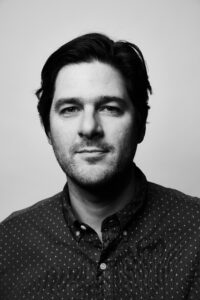
Ken Byers
Ken Byers is the founder and CEO of Confidant, an agency founded in Nashville in 2016. Confidant is named for the role it plays with brands and is built on the belief that time is too precious for brands to wait for their next big breakthrough moment. The agency serves as a creative velocity partner, helping teams at global brands land their galvanizing idea, align around it, and put it to work across the entire marketing plan, maximizing efforts toward a single breakthrough moment.
As founder and CEO, Ken wears many hats, from running the business, to setting strategy and creative, to planning productions and working with a range of clients. Key clients include Amazon, Sony, Firestone, Shake Shack, Diageo (spirits), Birchbox and the Harlem Globetrotters, to highlight a few. Confidant was named an Ad Age Small Agency of the Year in 2023 and one of Inc.’s Best Workplaces in 2021, 2023 and 2024.
Prior to Confidant, Ken led the Brand Experience department at Sony Electronics, a centralized marketing organization tasked with unifying the Sony brand across the breadth of its consumer electronics products and throughout the depth of the consumer buying journey.
Ken started his career with an eight-year stint in the New York agency world, most notably with Ogilvy & Mather, working on brands like Motorola, Toyota, Ford, DuPont and Morgan Stanley.
Whenever Ken isn’t doing agency work, he’s probably composing or producing electronic and instrumental music in his studio in Nashville, Tennessee, or hanging out with his wife Katy and two kids.
Never Miss an Episode. Subscribe Now
Follow Us
New episodes
We publish WEEKLY on THURSDAY at 11:00am.